Third Public Discussion on the DRAFT AMENDMENTS TO THE CONSTITUTION OF THE REPUBLIC OF MACEDONIA
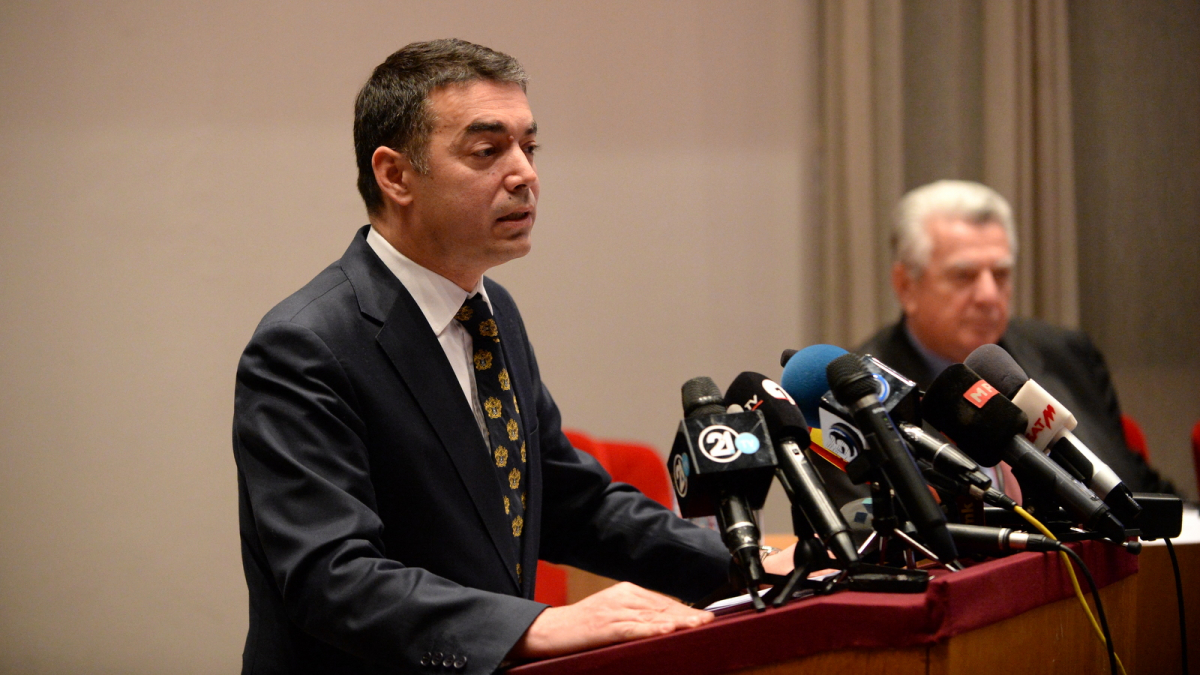
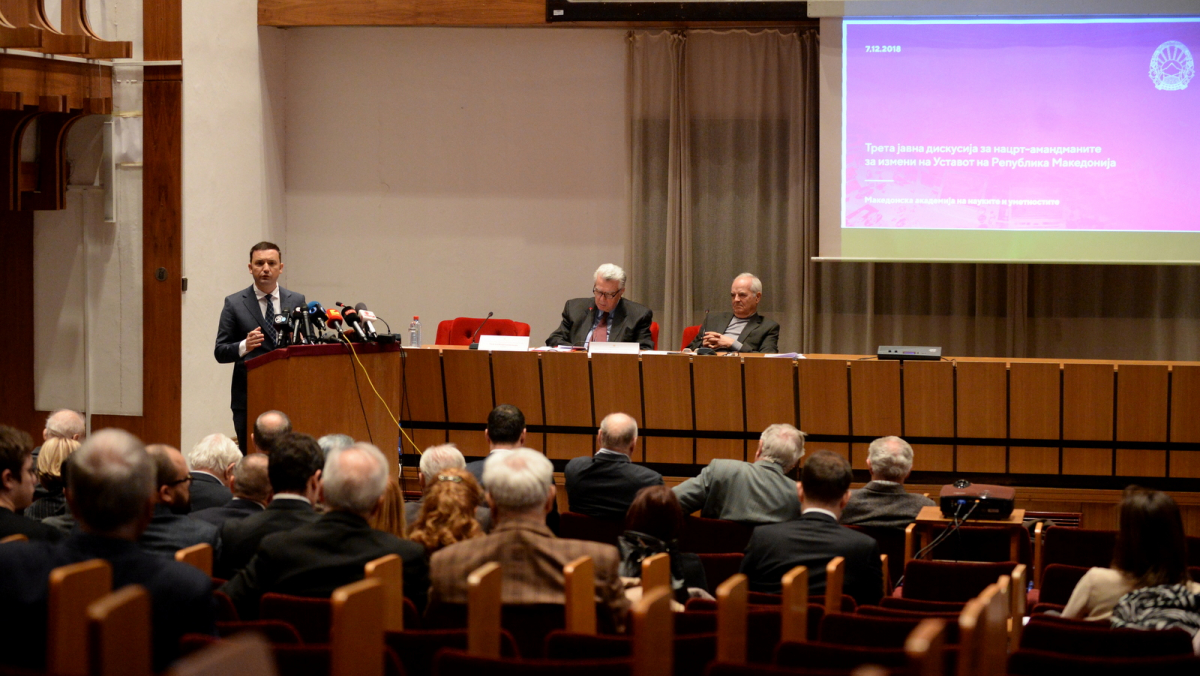
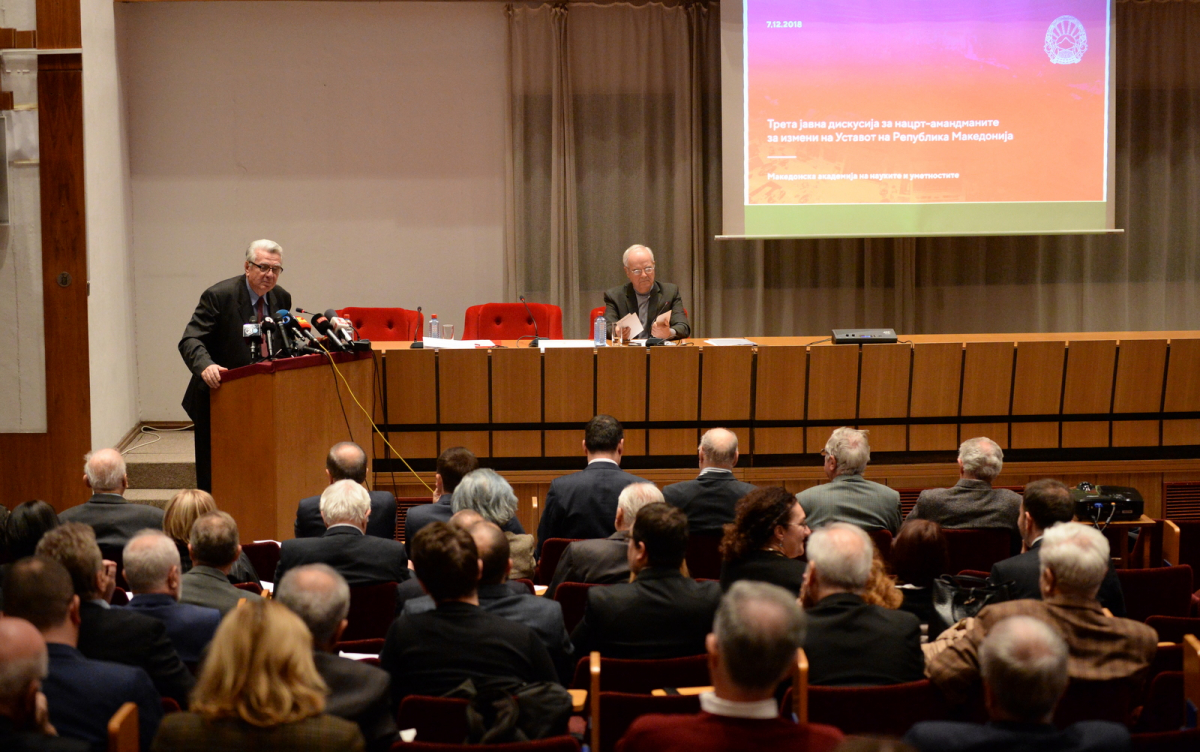
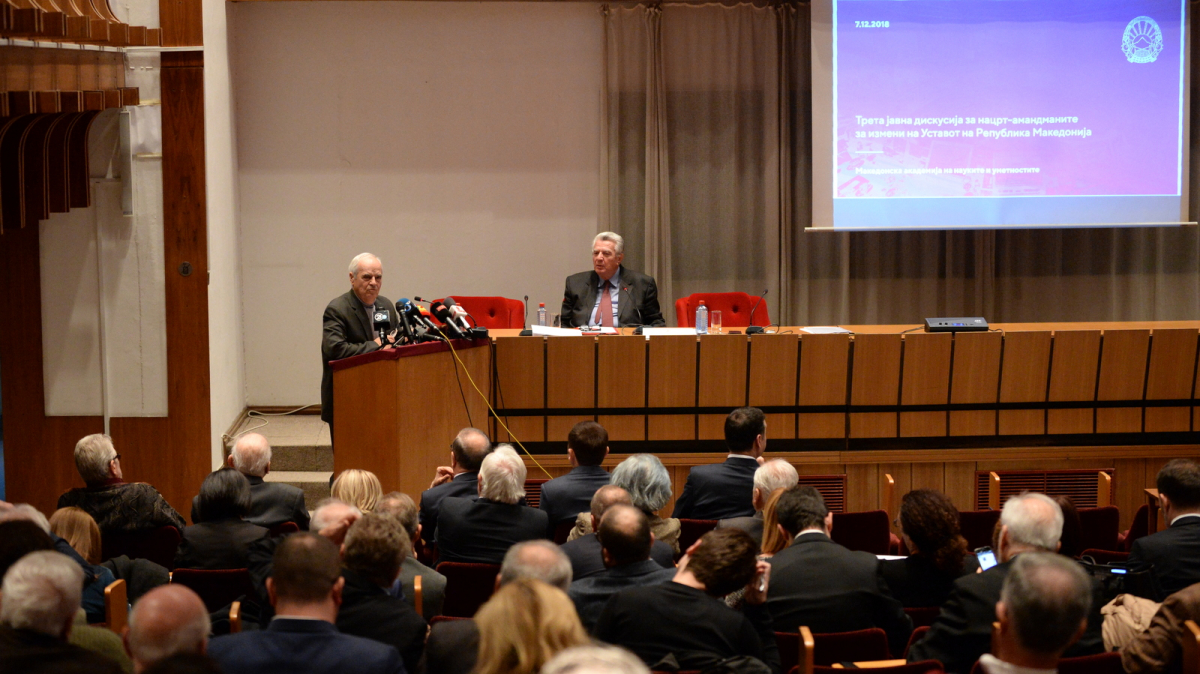
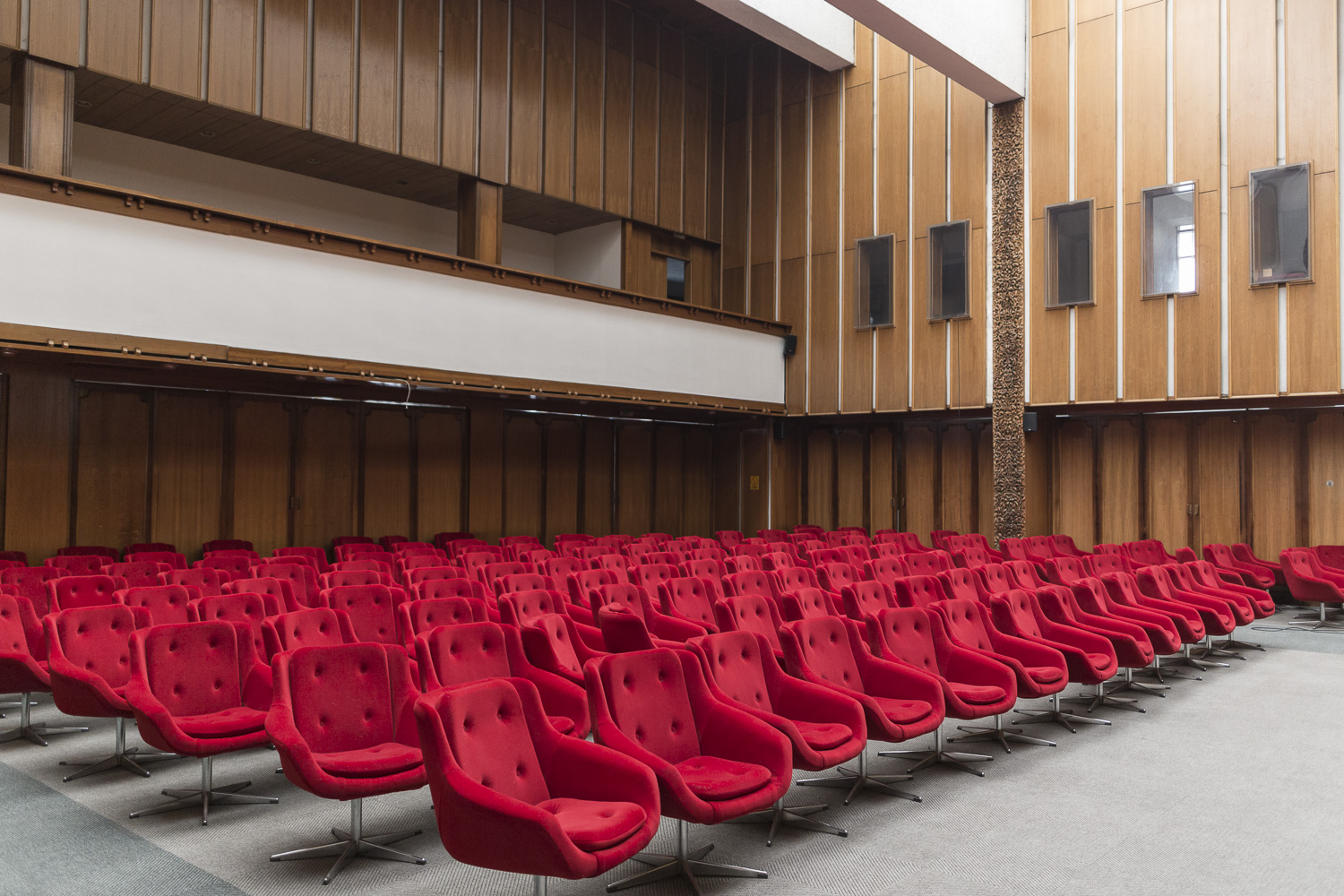
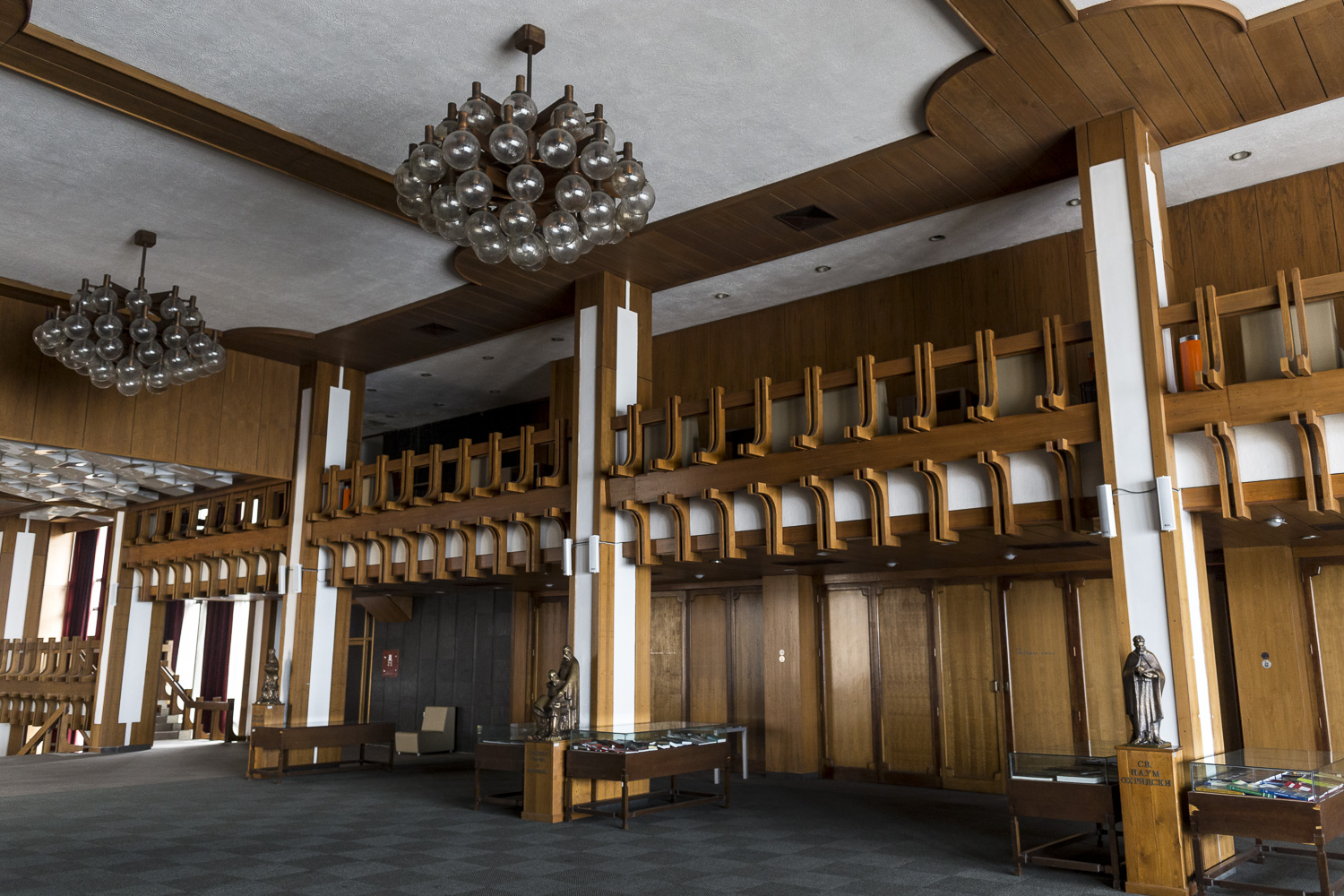
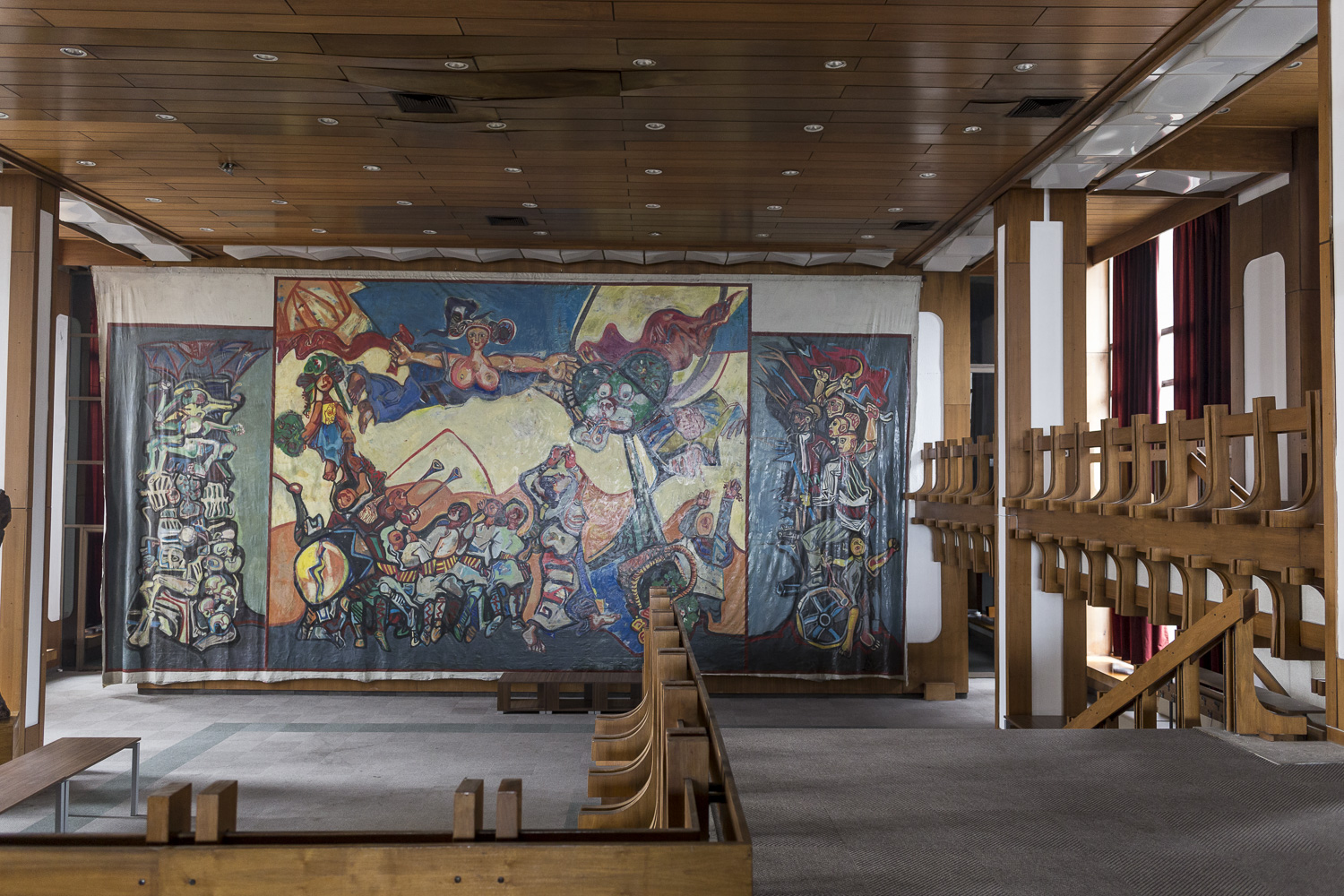
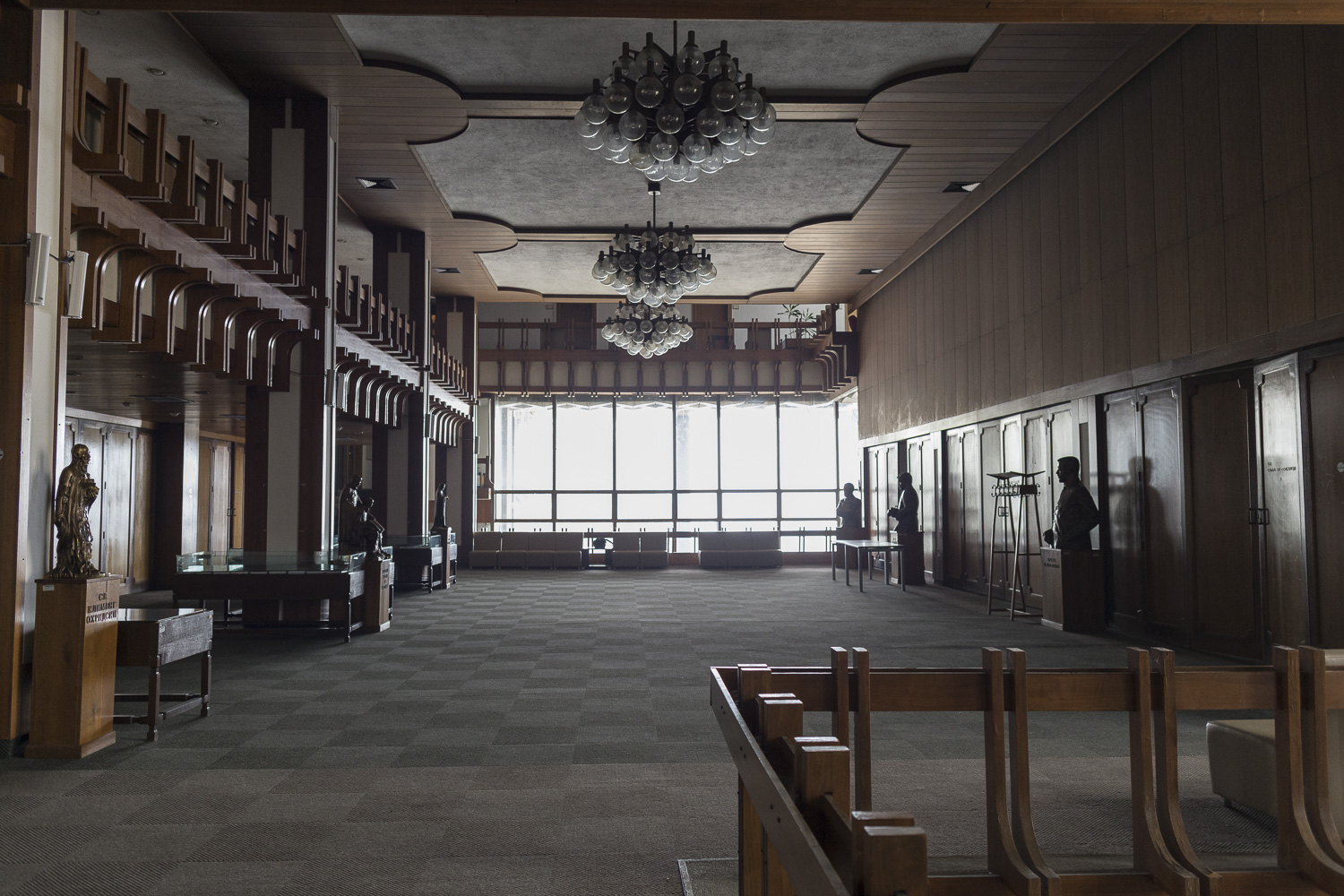
Deputy Prime Minister for European Affairs Bujar Osmani and Minister of Foreign Affairs Nikola Dimitrov today took part in the third public discussion on the draft constitutional amendments in accordance with the Prespa Agreement, held in the MASA Amphitheatre.
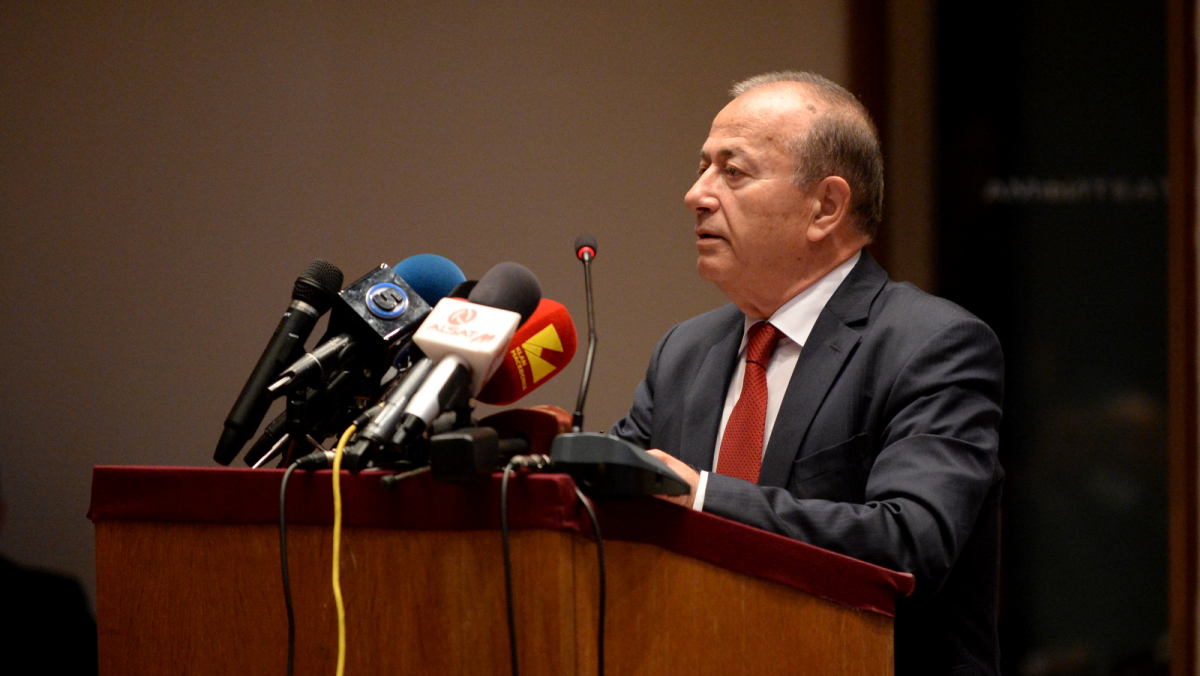
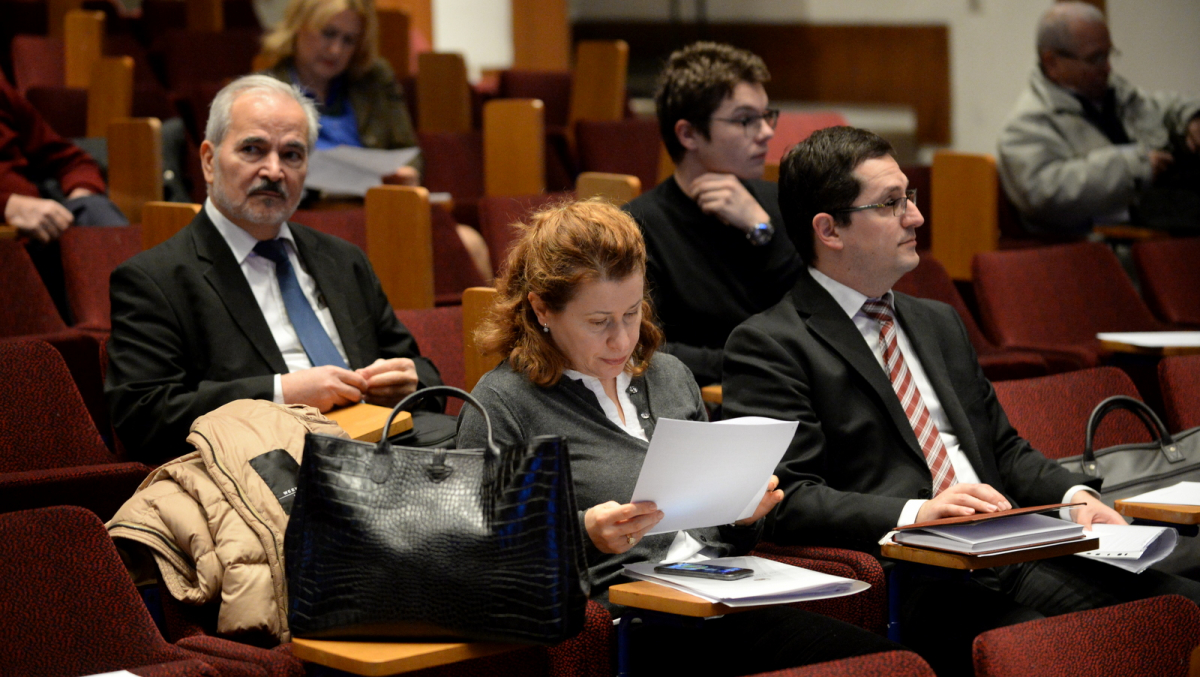
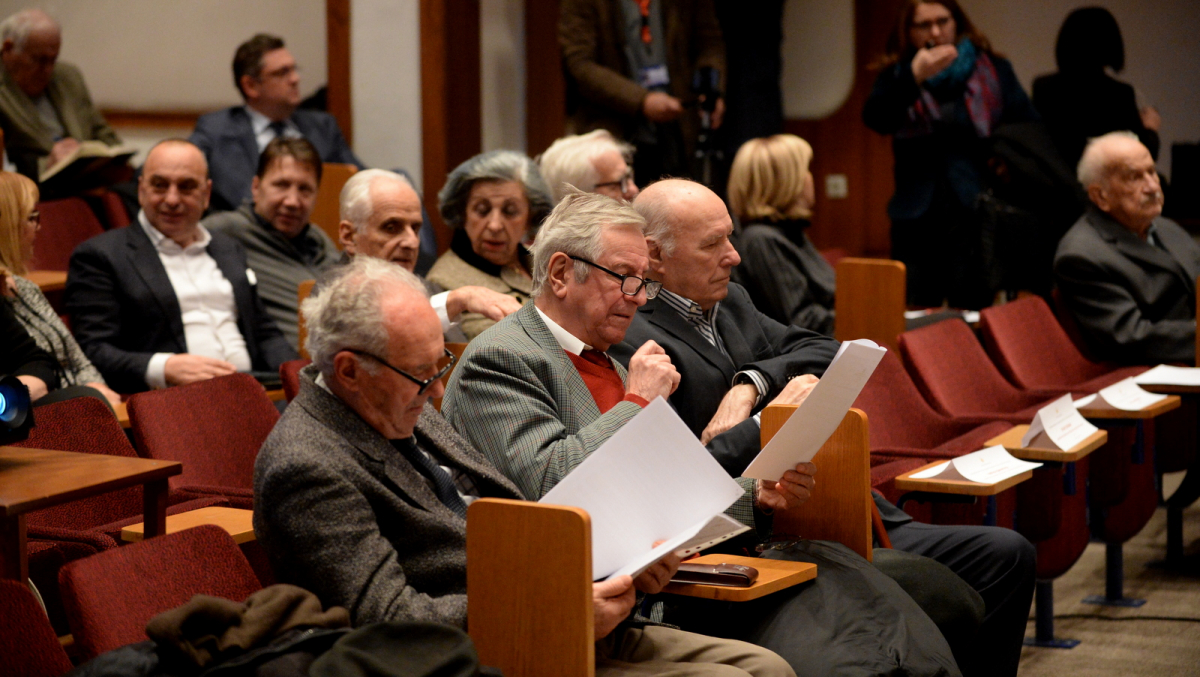
The proposals and suggestions presented during the three-hour debate, at which Academicians Vlado Kambovski and Taki Fiti and Professor Svetomir Shkarikj, as well as other representatives of the academic community, civil-society organizations and citizens, provided expert views, will be summarized and submitted to the Government, which will prepare conclusions from the series of public discussions and forward them to the Assembly.
Deputy Prime Minister for European Integration Bujar Osmani emphasized that the Prespa Agreement is a historic agreement, reached, as he said, in a historic year for us, and that it will remove a burden — a large stone, as it were — that had prevented Macedonia from moving forward.
Deputy Prime Minister Osmani addressed the positive aspects of the Agreement, which he said guarantees membership in NATO and the EU and provides a secure future, both economically and in terms of security, for all citizens, especially young people who would not want to remain in the country if it offered them an uncertain future.
'The Euro-Atlantic orientation and strategic objective have never, not even in the most difficult moments in the life of our country, been called into question. More than 75 percent of the population, regardless of ethnic or religious affiliation, have consistently supported and continue to support membership in the EU and NATO. That is a major obligation for all serious politicians, and we consider ourselves serious politicians. I promise you that, in all our decisions now and in the future, we will follow the overwhelming voice of the citizens,' Osmani said, assessing that Macedonia is the only country to have shown how Balkan identity issues can be resolved in a European manner.
Minister of Foreign Affairs Nikola Dimitrov said that Macedonia cannot change its geographical position or its history, which is important and forms the foundation of its existence, but that today, as he emphasized, it can influence the future by taking responsibility and making decisions such as the Prespa Agreement and its implementation.
'The greatest damage from the failure to resolve the dispute with Greece is borne by us. It is not the United States, Russia, Europe, Germany, nor Greece. The thesis that others have an interest in resolving this problem is incorrect,' Minister Dimitrov said, pointing out that the greatest harm is suffered by us ourselves, as we remain outside NATO and the European Union.
Dimitrov emphasized that the Prespa Agreement and the resolution of the decades-long issue also close the chapter of identity-related questions which, together with membership in NATO and the EU, constitute the three objectives the Government seeks to achieve through this Agreement.
In his presentation, Academician Taki Fiti recalled the conclusions of the Academy's scholarly debate held in September, stressing that implementation of the Prespa Agreement provides Macedonia's only alternative, namely progress in the Euro-Atlantic processes. Academician Taki Fiti added that the Agreement strengthens and consolidates identity-related matters, referring to the need for experts to state their views so that a solution can be found for the names of some institutions once the constitutional amendments have been adopted. He said that there was no unanimity on these issues even within MASA, but assessed that this too was legitimate, provided that an alternative solution was offered alongside the objections.
Academician Vlado Kambovski said in his address that the Prespa Agreement is founded on European principles and values, respect for lasting friendship and human rights, adding that the constitutional amendments should be viewed in the context of the elements contained in the Agreement.
Kambovski also focused on what he described as several imperative elements, including the change of the official name, a solution he assessed as a compromise balancing the interests of both states without disputing national identity. In this context, Kambovski pointed out that throughout history Macedonia had also been Democratic, People's and Socialist. With regard to the formulation on citizenship, the Academician assessed the designation 'citizens of the Republic of North Macedonia' as an appropriate formulation for regulating the status of citizens, and particularly emphasized the definition of the Macedonian language as the official language.
Professor Kambovski also raised during the debate the issue of finding a solution should a situation arise such as the present one, in which the President of the state does not sign the Decree on the Law Ratifying the Agreement, which has already been voted on twice by the MPs and adopted by the Assembly of the Republic of Macedonia.
In his presentation, Professor Svetomir Shkarikj focused on the proposal that the Prespa Agreement be placed in a separate amendment and become part of the constitutional order of the Republic of Macedonia, thereby ensuring its implications for constitutional norms and the legal system. Some of the Professor's suggestions concerned Amendment 34, proposing that the decisions of ASNOM remain as they are and that the words 'noted or recorded in the Proclamation' be added.
According to Shkarikj, the constitutional amendments are much simpler than they appear, and he added that the difficulty lies in the political process and the agreement between the two Governments.
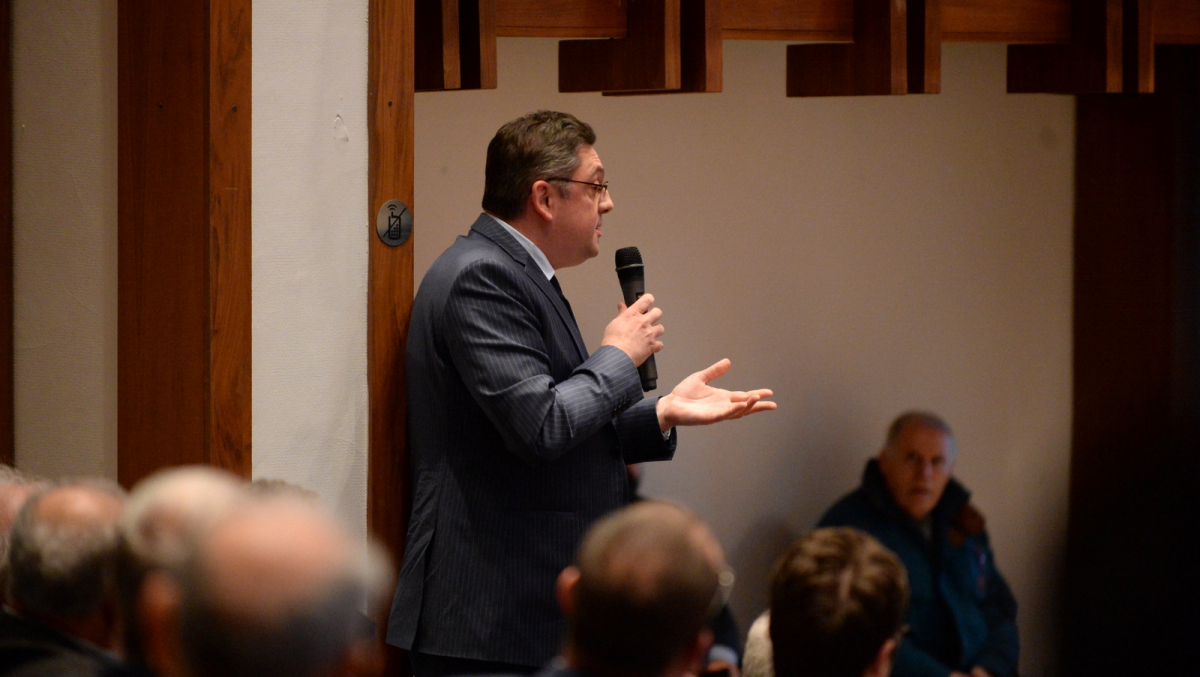
The public discussion also raised questions about how to regulate the interests of Macedonian citizens in the diaspora. Different views were heard on whether other ethnic communities should or should not be listed in relation to the diaspora, as well as on questions that would arise after the Law on the Prespa Agreement enters into force and that concern research in scholarly activity.
The debates on the constitutional amendments, organized by the Government as their authorized proposer, continue on Monday in Shtip and Tetovo.