Gligor Čemerski
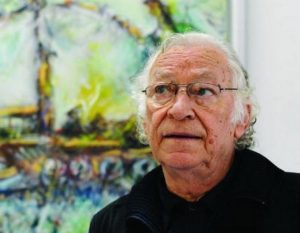
Full Member, 2012
Gligor Čemerski
Биографија
Gligor Čemerski was born on 9 March 1940 in Kavadarci.
After completing secondary education in Skopje, he enrolled at the Academy of Fine Arts in Belgrade, where he graduated in 1963. He then completed postgraduate studies at the same Academy and obtained a master’s degree in painting. As a scholarship holder of the French Government, he undertook a study visit to Paris in 1969/70. Since then, he has made numerous study trips to Egypt, Greece, Italy, the Netherlands, Germany, Sweden, and the United States.
Even before graduating from the Academy of Fine Arts, he held his first solo exhibition, together with Naso Bekarovski, in Skopje in 1962. Since then, he has held around forty solo exhibitions in the country—Skopje, Ohrid, Strumica, Struga, Kavadarci, Bitola—and abroad—Belgrade, Budva, Zagreb, Alexandria, The Hague, Paris, Washington, Wilmington, and Fayetteville. In addition, he has participated in more than eighty group exhibitions in the country and abroad, including in Skopje, Belgrade, Zagreb, Sarajevo, Ljubljana, Dubrovnik, Poreč, Paris, Rome, Alexandria, Istanbul, Sofia, Prague, Graz, Bucharest, Moscow, Madrid, Copenhagen, Mexico City, New York, The Hague, Dublin, Belfast, Glasgow, London, and Athens. Many of these were anthology exhibitions presenting contemporary Yugoslav or Macedonian painting. In recent years Čemerski has been one of the regular artists represented by Galerie du Fleuve in Paris.
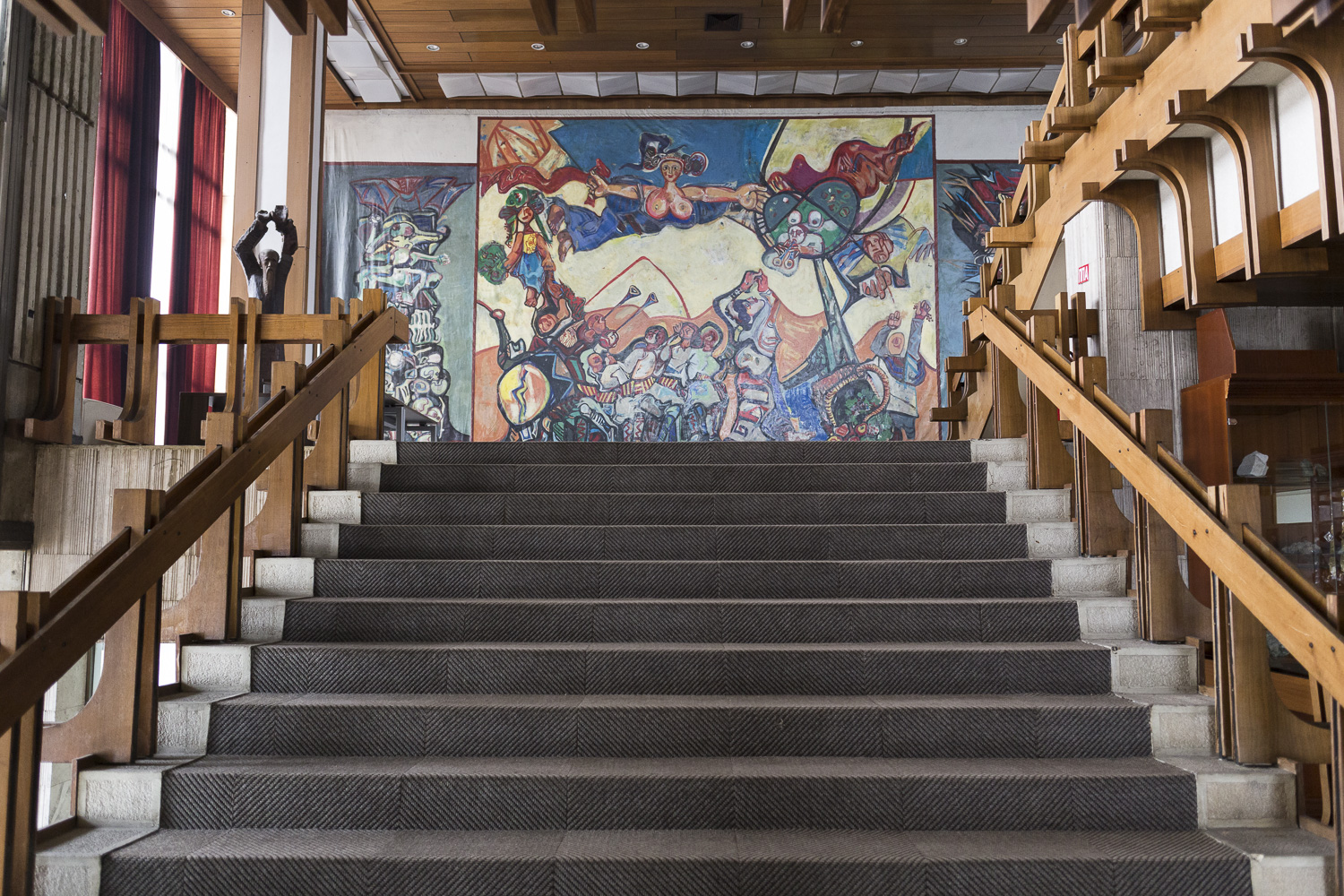
Paintings by Gligor Čemerski are represented in the Museum of Contemporary Art in Skopje; the Daut Pasha Hamam Art Gallery; the collection of drawings and prints of the National and University Library “St. Clement of Ohrid”; the collection of the Macedonian Academy of Sciences and Arts; the Museums of Macedonia in Skopje; the Museum-Gallery in Kavadarci; the Art Gallery in Štip; the Museum of Contemporary Art in Belgrade; the international collection of the “Sts. Cyril and Methodius” Museum in Sofia; the art museum in Fayetteville, USA; the Vatican collection; and numerous private collections in Skopje, Paris, Amsterdam, The Hague, Stockholm, Rome, New York, Washington, Wilmington, Fayetteville, and elsewhere.
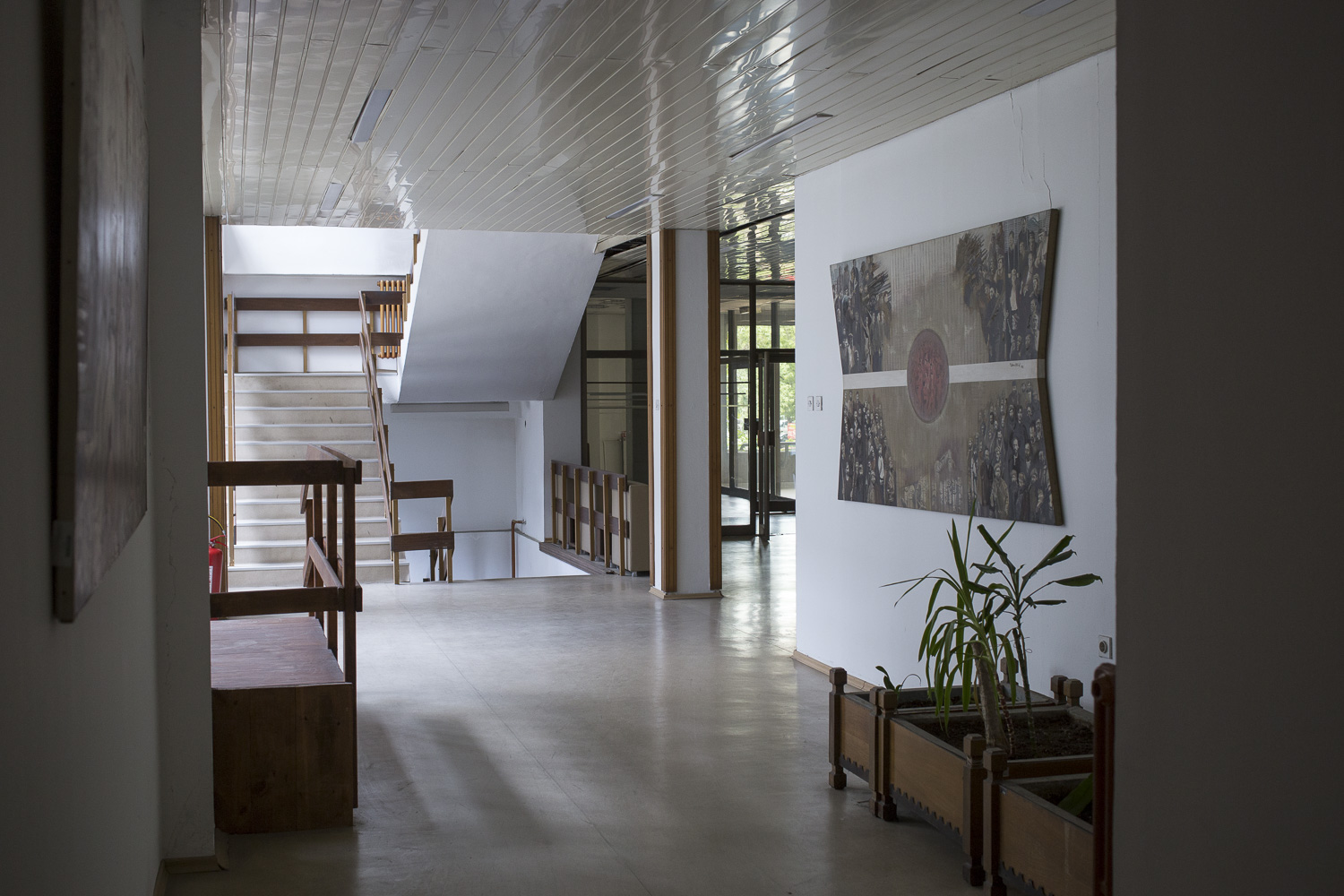
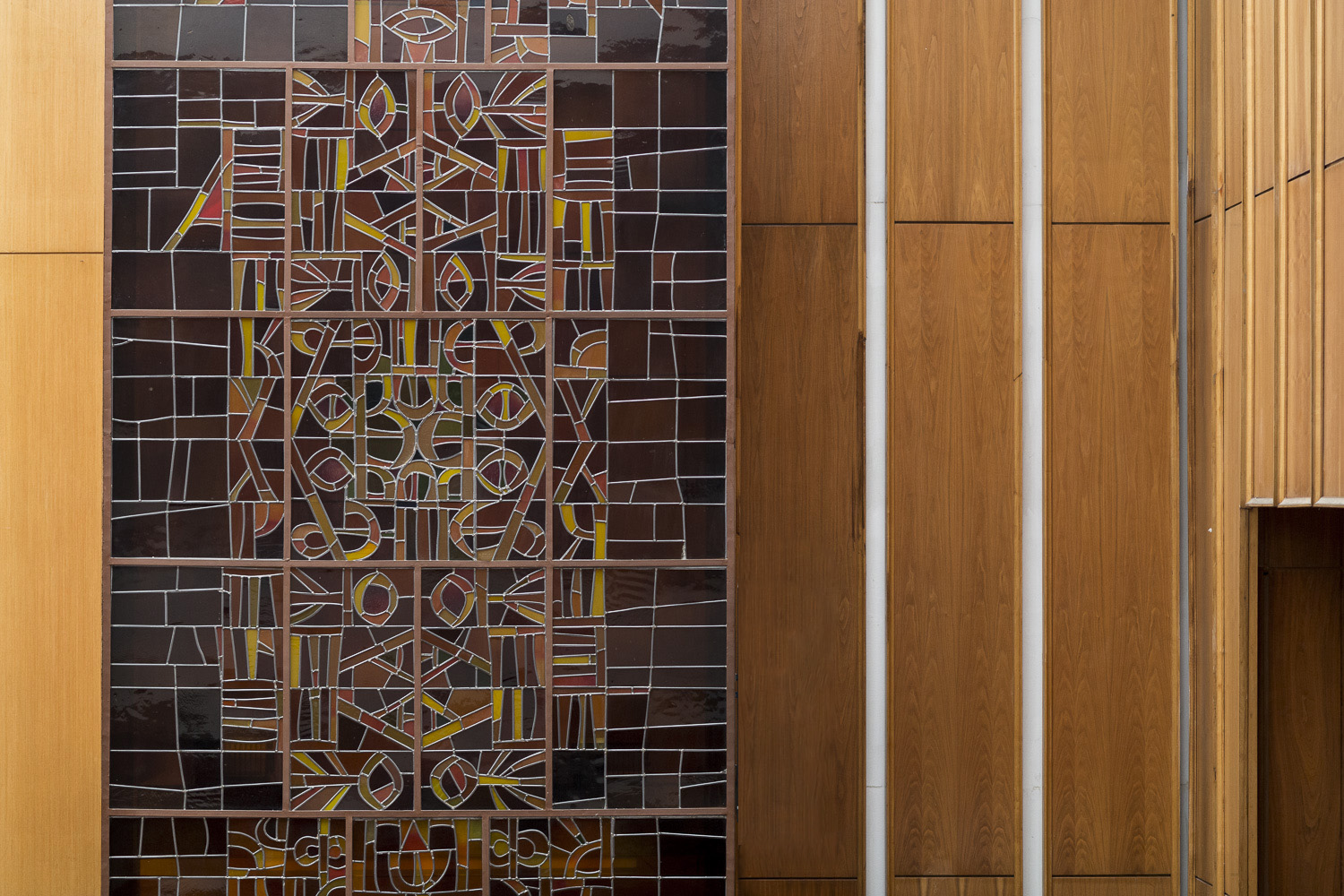
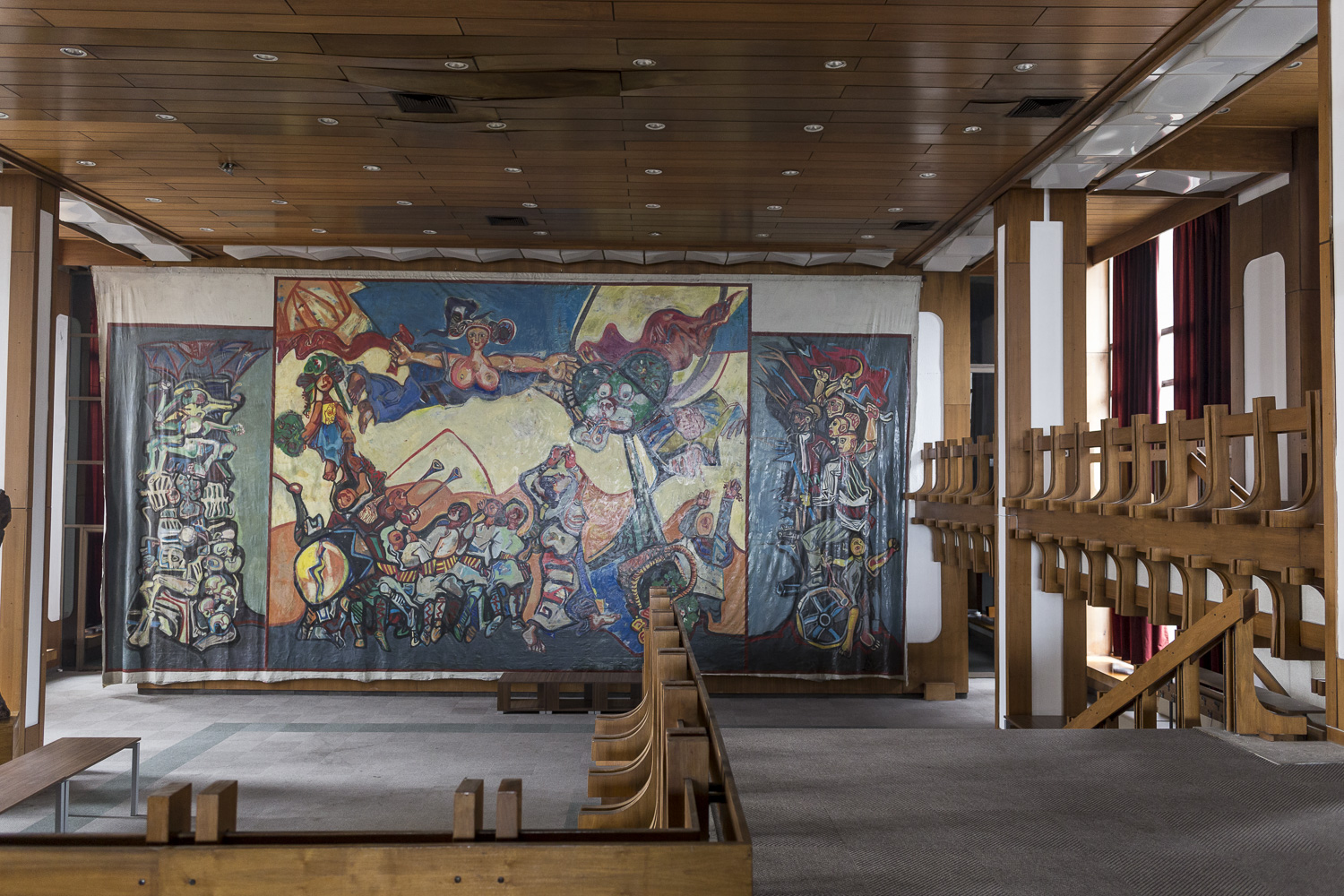
A particularly important part of Gligor Čemerski’s oeuvre consists of his monumental works. Using a modernized fresco technique, he created the large mural “Warm Land” at Stopanska Banka in Skopje (1971). In mosaic, he created the following monumental outdoor complexes: “Man and Light” at the Vrutok Hydroelectric Power Plant near Gostivar (1975/76), 75 m²; “Birth of Culture” in Kavadarci (1976), 9 m²; “To the Tikveš Dancers” in Kavadarci (1977), 24 m²; “Letters and Messages” in Kavadarci (1981), 12 m²; and the “Monument to Freedom” in Kočani (1981). The latter contains 330 m² of mosaic surface and is undoubtedly one of the largest undertakings of its kind on a European scale.
Gligor Čemerski expressed his broad erudition in art history and the history of civilizations in general through a series of essays published in Macedonian periodicals beginning in 1957. These texts reveal a remarkable ability to synthesize knowledge from multiple fields, as well as an ability to approach the perennial questions of art from a personal and original perspective. Čemerski is undoubtedly one of the country’s most highly educated visual artists and one of the few capable of articulating his visual poetics through the written word.
His curiosity about multiple forms of expression also led to his engagement with theatre. Čemerski created several theatrical productions as complete visual concepts, from stage design and costume design to poster design.
His essential vocation, however, is unquestionably painting. For his achievements in this dominant and central field, Čemerski received numerous important awards and distinctions. These range from the First Prize for Drawing at the Academy of Fine Arts in Belgrade (1960) and awards received during his student years, through the awards of the Association of Fine Artists of Macedonia: “Nerezi Masters” for painting (1978), “Clement of Ohrid” for drawing (1979), “Clement of Ohrid” for graphic art (1980), “Nikola Martinoski” for drawing (1991), and the Grand Prix at the “Winter Salon” exhibition (1994), to the highest awards “13 November” (1990) and “11 October” (1975).
He was elected a member of the Macedonian Academy of Sciences and Arts in the Department of Arts in 2012.
He died on 2 April 2016.