MACEDONIAN ACADEMY OF SCIENCES AND ARTS – MASA
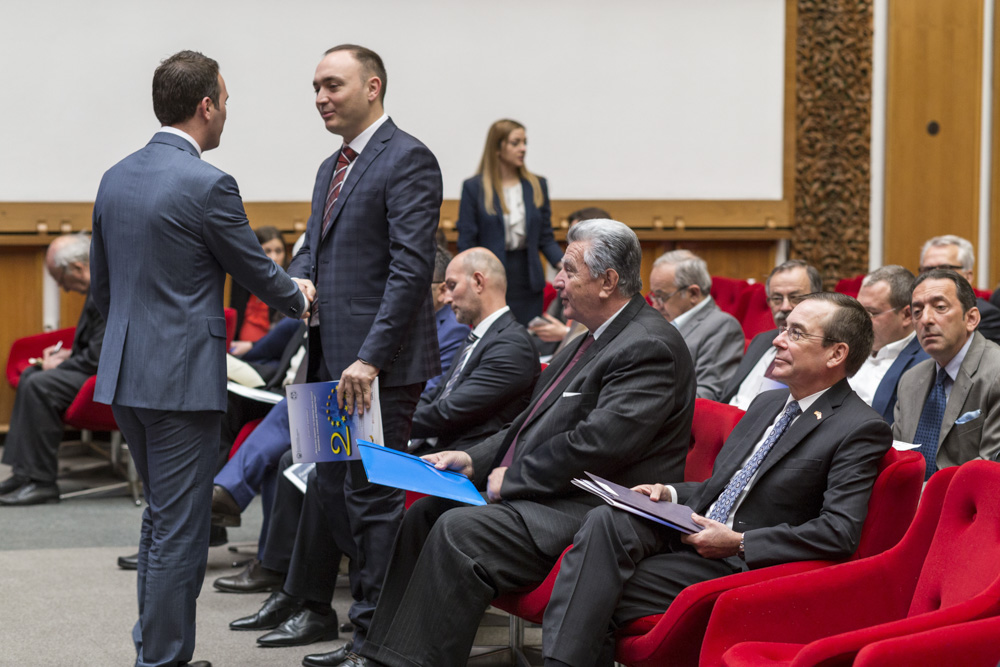
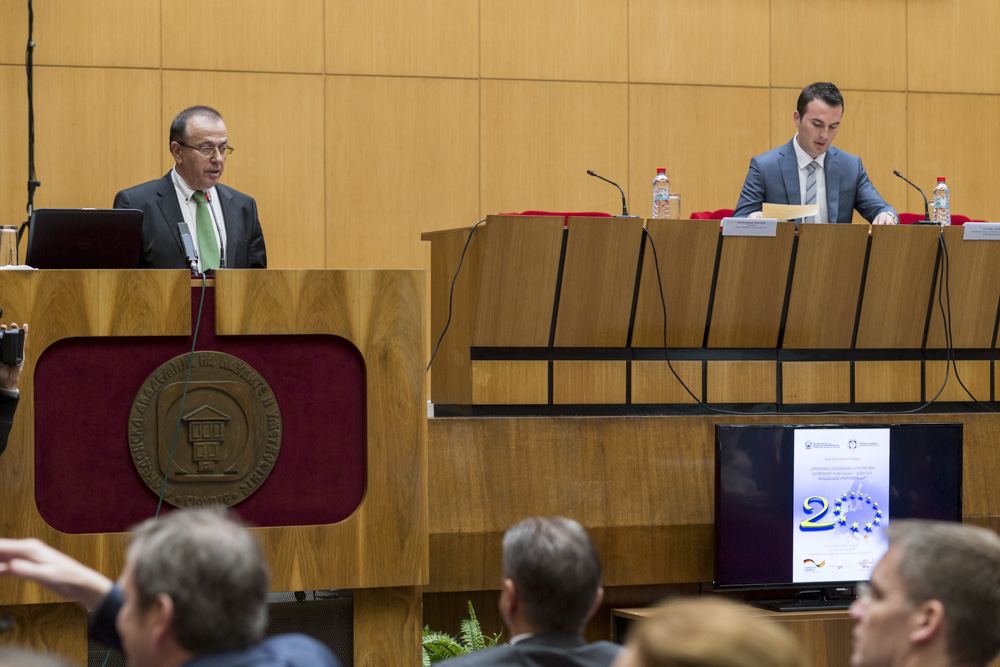
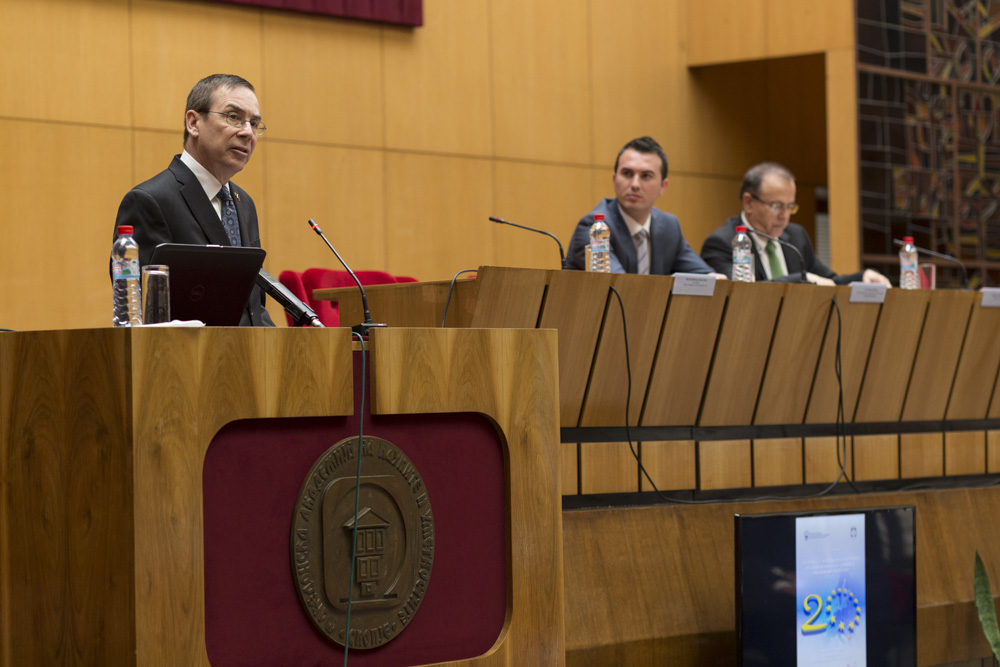
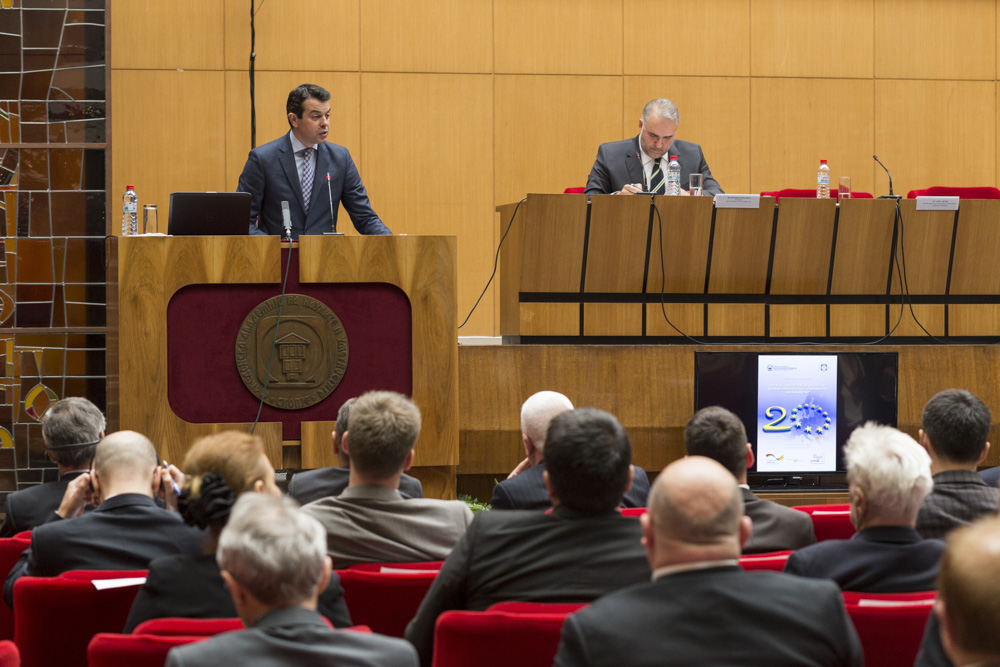
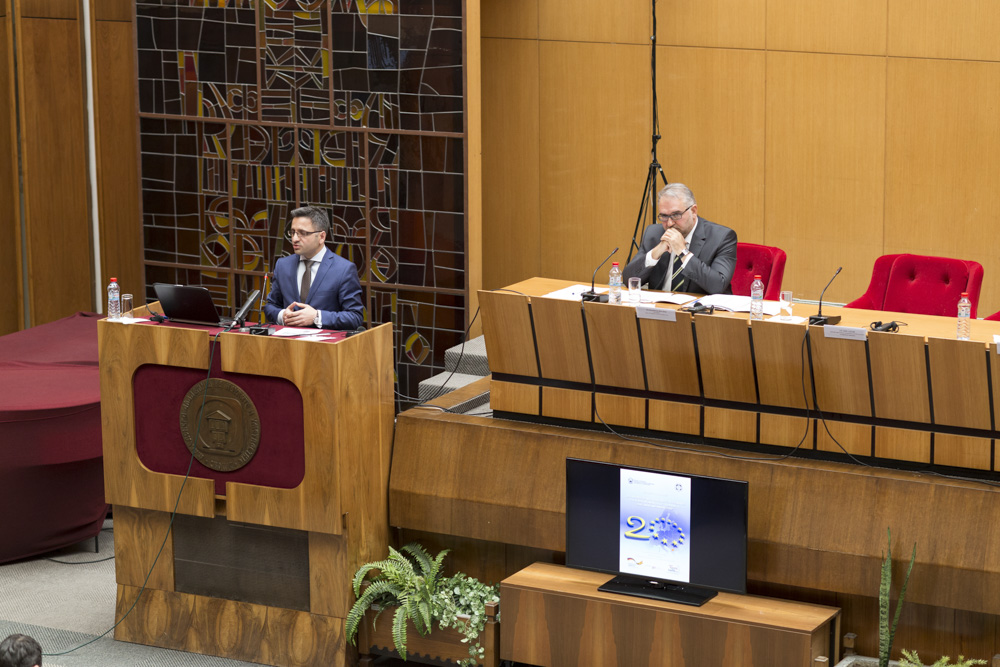
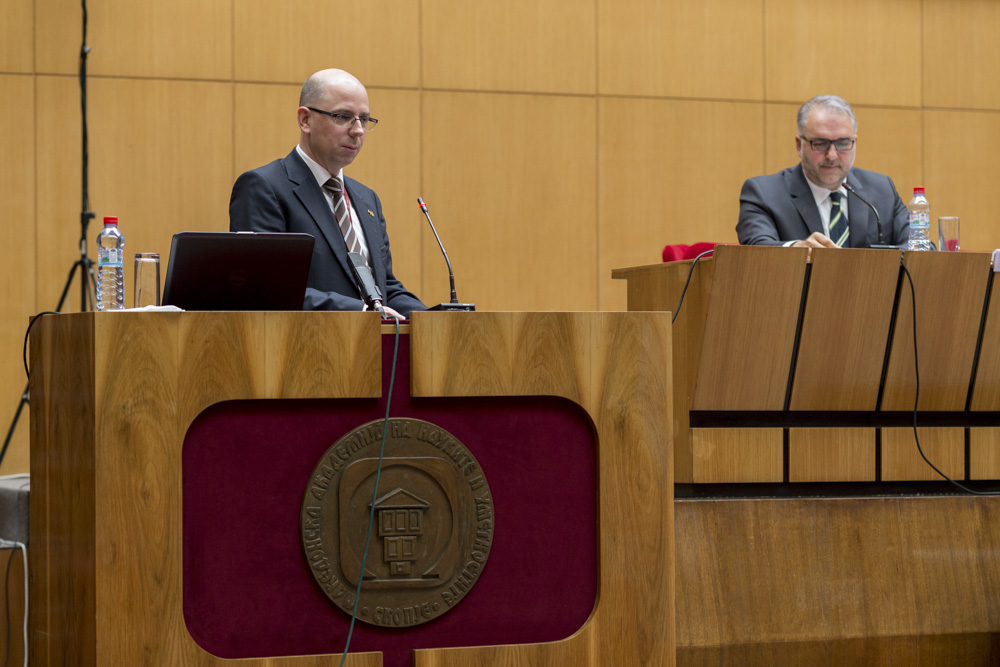
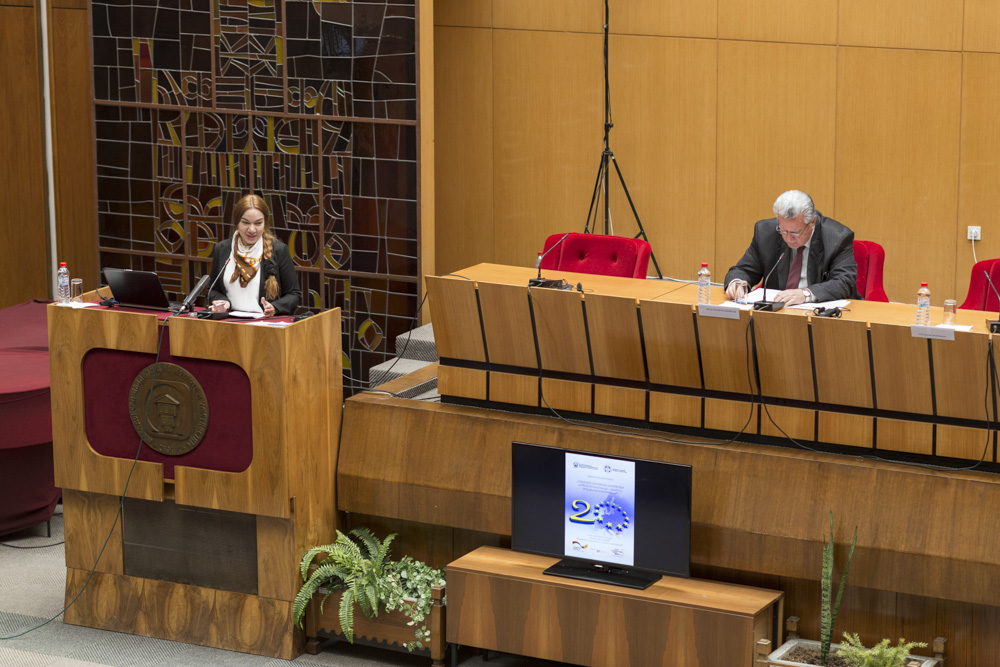
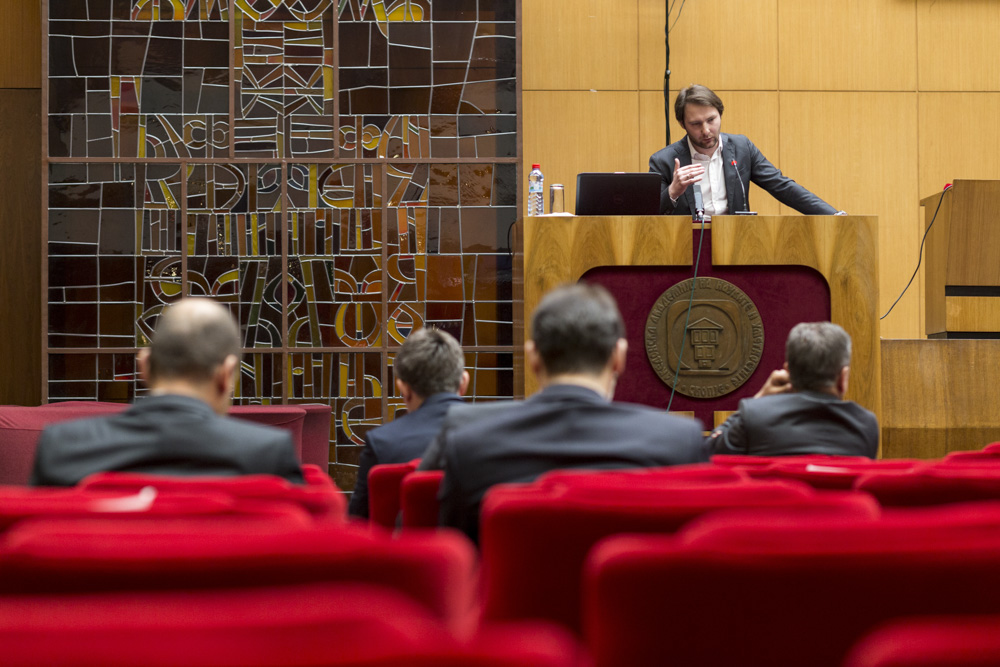
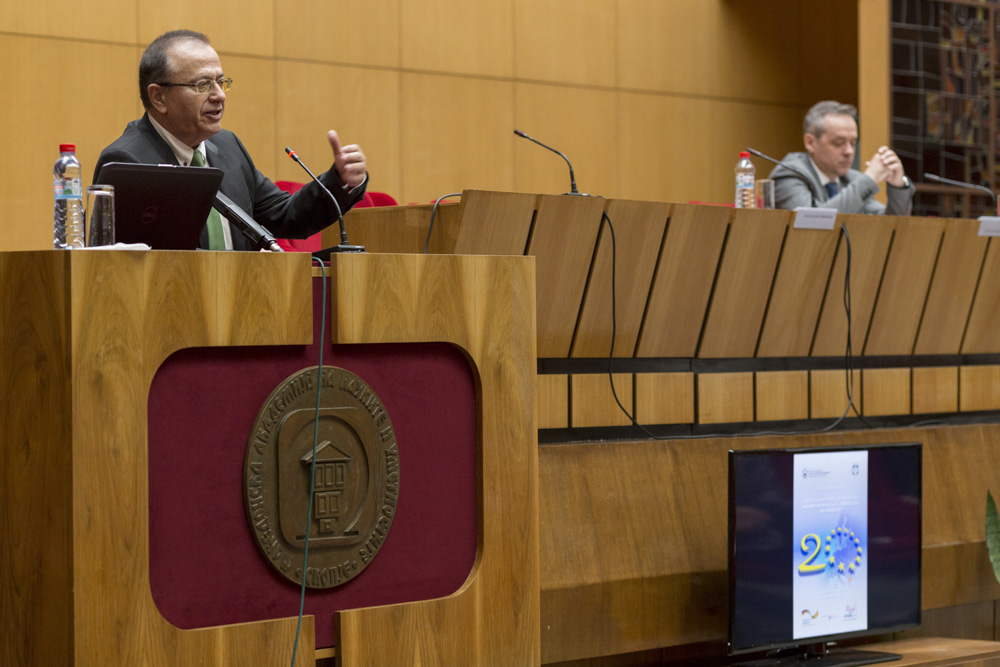
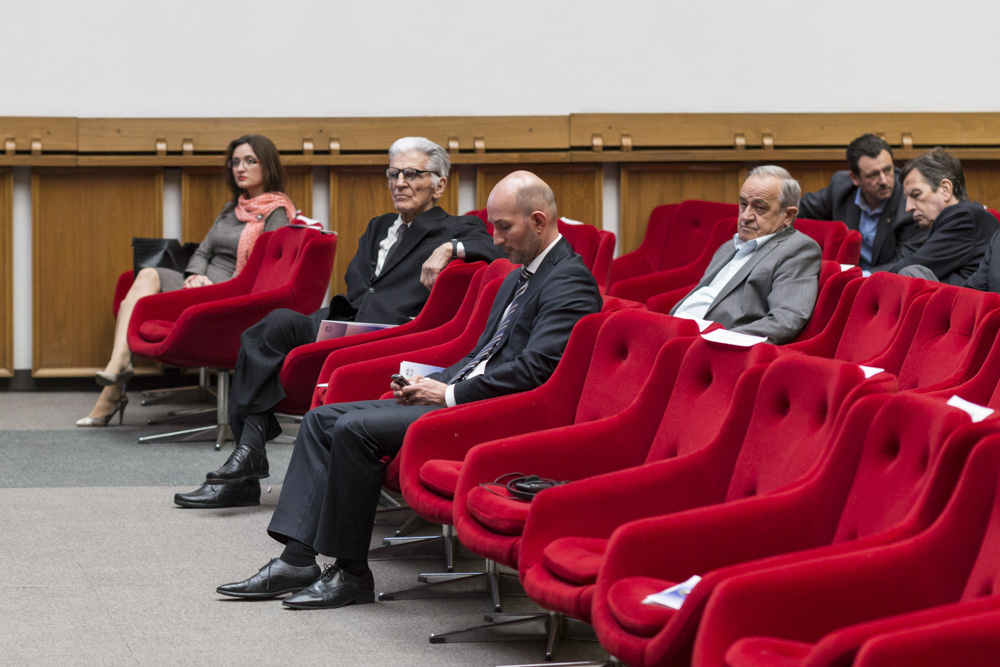
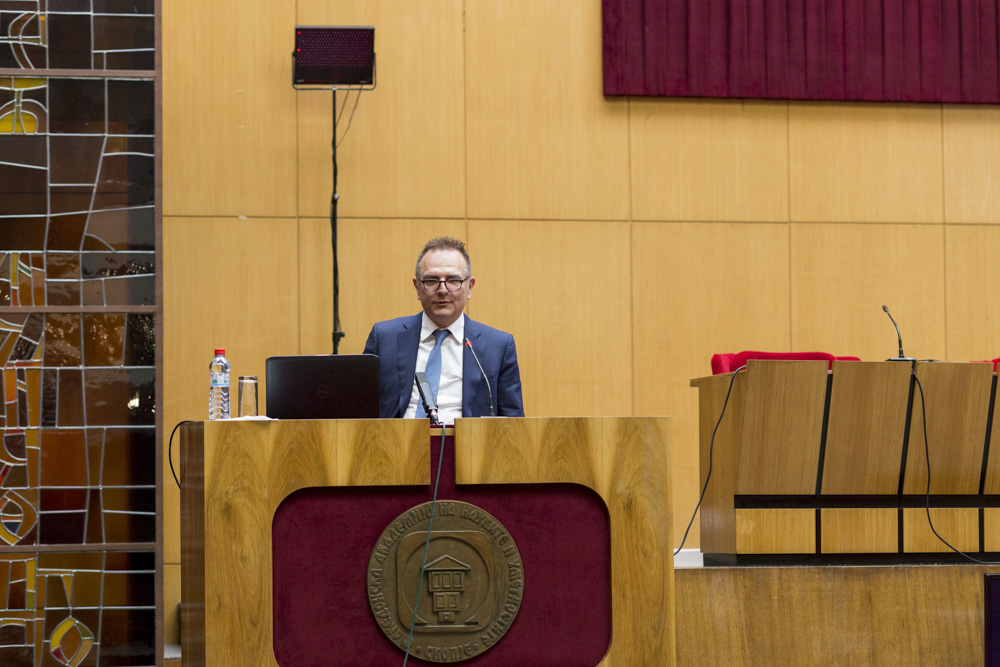
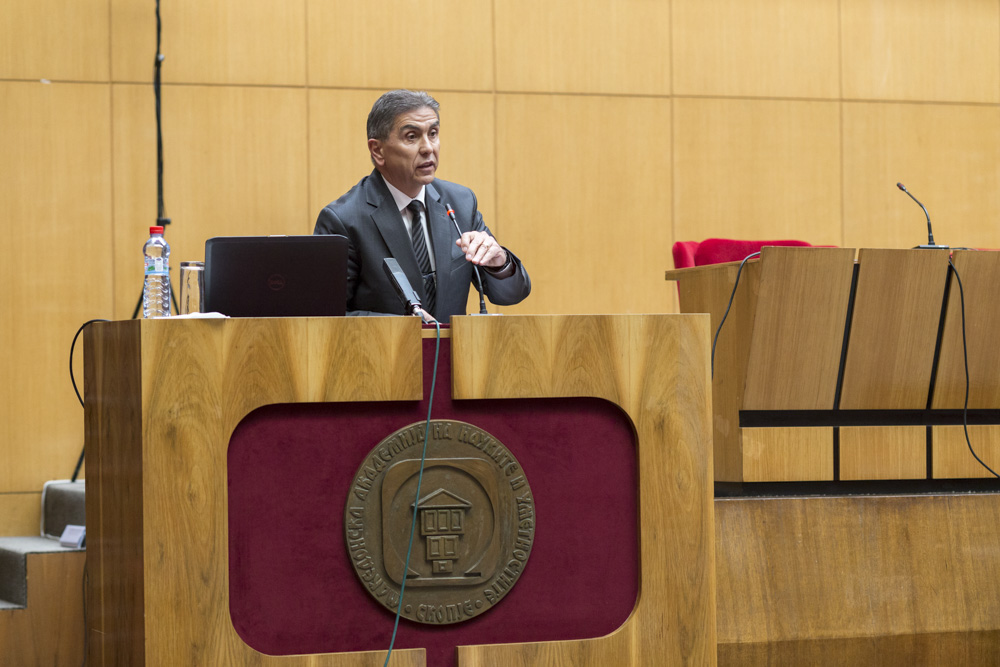
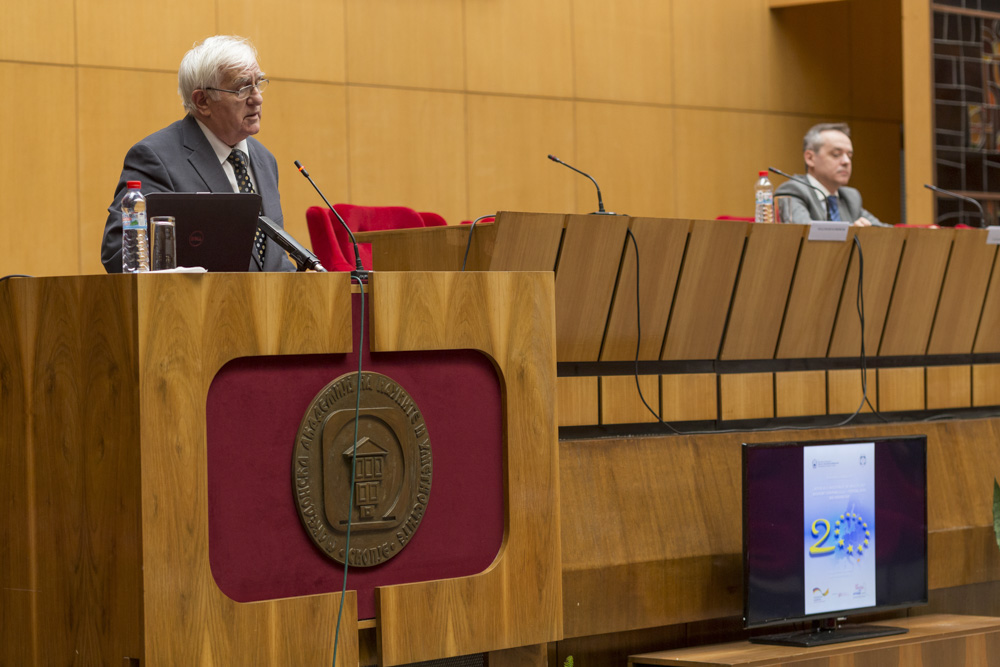
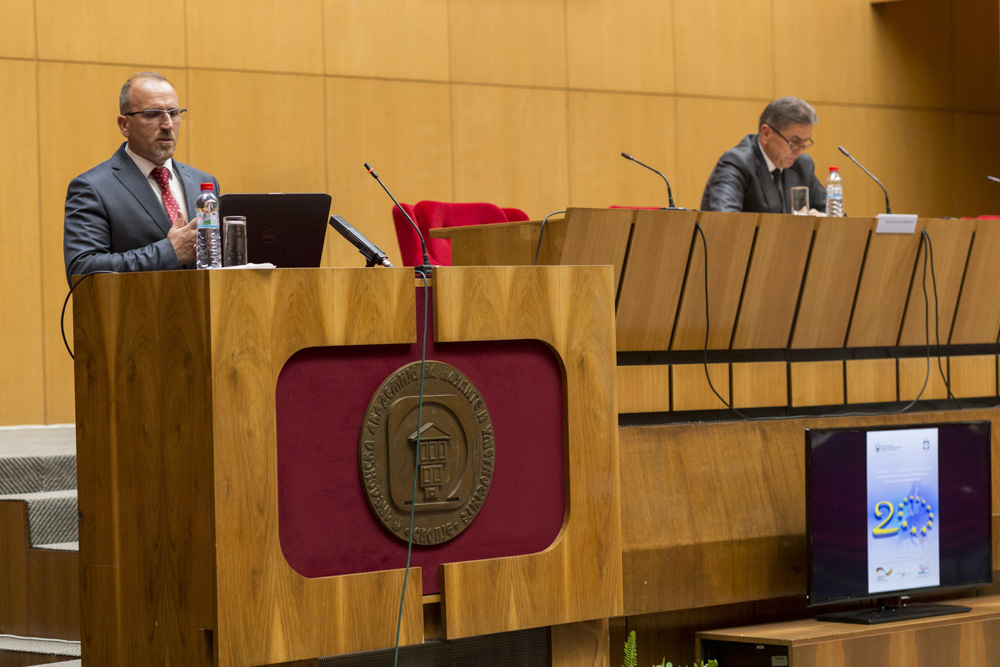
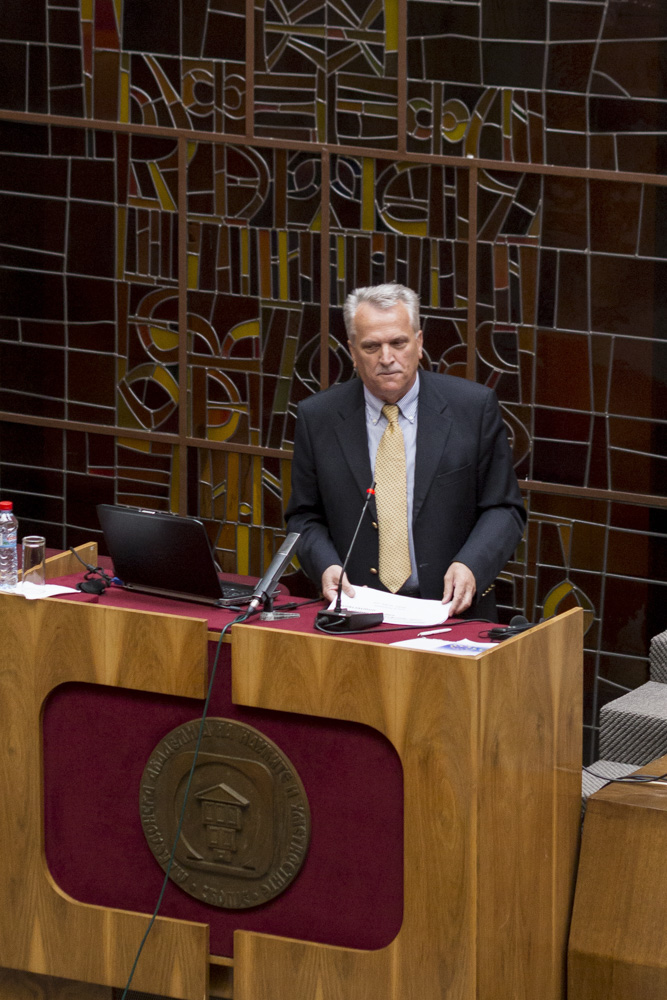
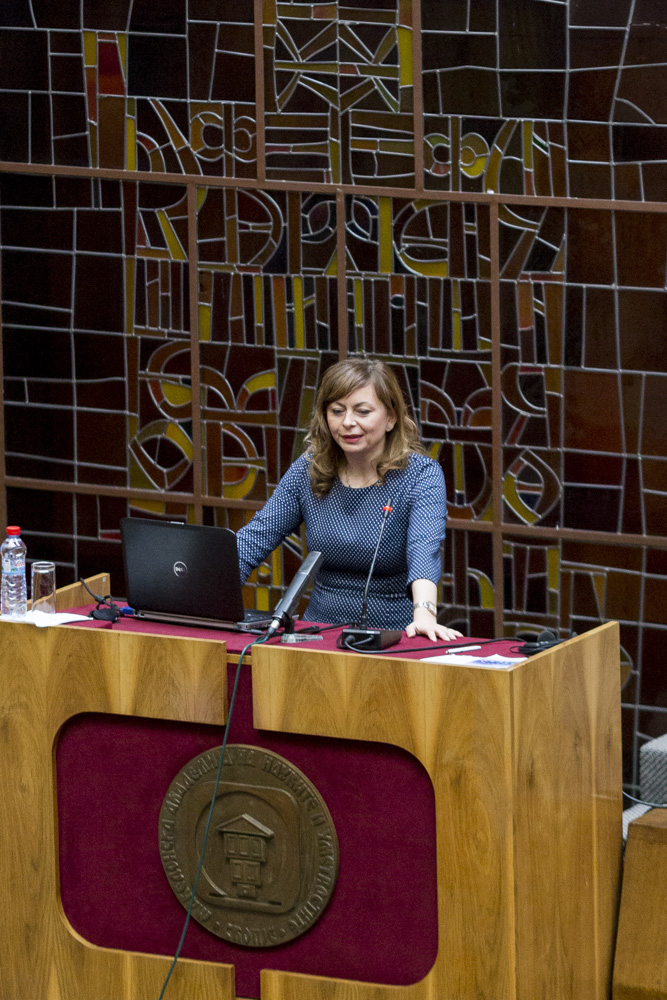
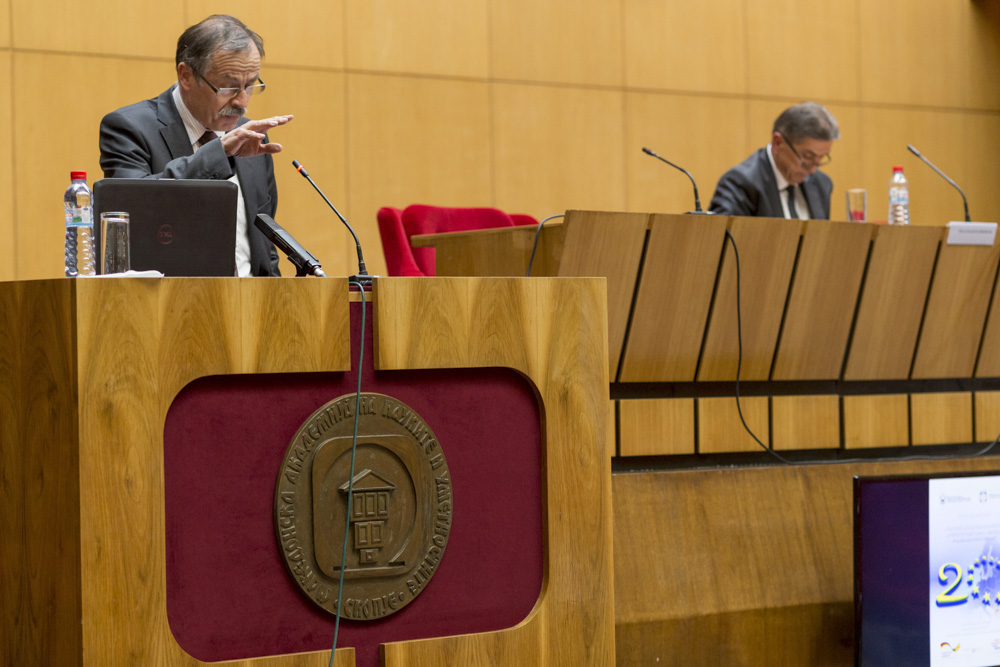
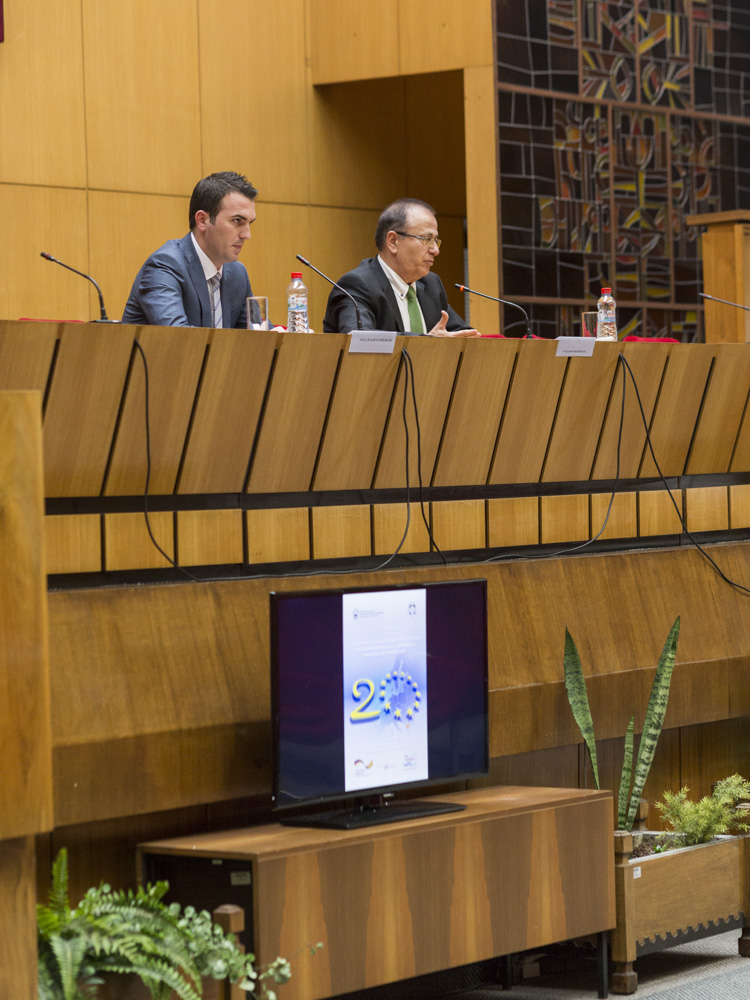
On the occasion of Europe Day, 9 May, and the twentieth anniversary of the formal establishment of relations between the Republic of Macedonia and the European Union, the Macedonian Academy of Sciences and Arts (MASA), namely the MASA Council for European Integration, in cooperation with the Secretariat for European Affairs of the Government of the Republic of Macedonia, organized a scientific conference on 6 May 2016 (Friday) entitled “The Republic of Macedonia on the Road to the European Union (2020) – Experiences, Challenges, Prospects”, held in the MASA Ceremonial Hall beginning at 9:00.
The event was opened with introductory addresses by MASA President Acad. Taki Fiti; Deputy Prime Minister of the Republic of Macedonia responsible for European Affairs Dr. Arbr Ademi; H.E. Aivo Orav, Ambassador of the European Union to Macedonia; and H.E. Jess Baily, Ambassador of the United States of America to the Republic of Macedonia. Across three thematic sections, the conference featured presentations by current and former ministers and political officials involved in the European integration process, academicians, university professors and experts.
The first thematic section, entitled “The European Union – Republic of Macedonia and Enlargement Policy 20 Years Ago and Today”, was moderated by MA Dragan Tilev. It included papers by Dr. Fatmir Besimi, MA Dragan Tilev, Mr. Nikola Poposki, Prof. Dr. Blerim Reka, Dr. Arbr Ademi, Dr. Bekim Maksuti, Dr. Ilber Sela and MA Michael Sametz of the German Society for International Cooperation (GIZ), addressing Macedonia’s EU integration process.
The second thematic section, entitled “The Republic of Macedonia on the Road to the EU – Characteristics of the Process, Challenges and Prospects”, was divided into three parts and moderated by Acad. Vlado Kambovski and Prof. Dr. Vladimir Filipovski. The first part, entitled “Development Aspects toward a Functional Democracy”, featured presentations by Prof. Dr. Ivica Josifovikj, Acad. Vlado Kambovski and Prof. Dr. Mirushe Hoxha.
The second part, entitled “Development Aspects toward a Market Economy and Accelerated Growth”, featured papers by Acad. Taki Fiti, Prof. Dr. Predrag Trpeski, MA Marica Antovska, MA Zoran Stavreski, MA Viktor Mizo, Assoc. Prof. Dr. Gjorgji Gockov, Prof. Dr. Goran Petrevski, Prof. Dr. Vladimir Filipovski, Dr. Biljana Tashevska, Assoc. Prof. Dr. Borche Trenovski, Prof. Dr. Gligor Bishev, MA Dimitar Bogov, Acad. Abdylmenaf Bexheti, MA Besime Mustafi and Acad. Luan Starova.
The third thematic section was divided into two parts, moderated by Acad. Abdylmenaf Bexheti. In the first part, entitled “Certain Sectoral Aspects of the EU Integration Process”, papers were presented by Prof. Dr. Izet Zeqiri, Assoc. Prof. Dr. Brikend Aziri, Assoc. Prof. Dr. Jeton Mazllami, Prof. Dr. Aziz Pollozhani, Dr. Natasa Markovska, MA Verica Taseska-Gjorgievska, MA Aleksandar Dedinec, Dr. Teodora Obradovikj Grncharovska, Acad. Gligor Kanevche and Acad. Jordan Pop-Jordanov. In the final part, papers were presented by Acad. Vlado Kambovski, Prof. Dr. Borche Davitkovski and Prof. Dr. Mojmir Mrak of the Faculty of Economics in Ljubljana, Slovenia.
The contributions of the authors and participants in the scientific conference, whose papers will be translated into three languages (Macedonian, English and Albanian) and published in proceedings, addressed complex questions and problems related to the Republic of Macedonia’s path toward the EU, covering the key areas defined by the Copenhagen and Madrid criteria: political criteria, economic criteria, the ability to assume the obligations arising from membership, and administrative capacity. The conference closed with remarks by MASA President Acad. Taki Fiti and Deputy Prime Minister responsible for European Affairs Dr. Arbr Ademi.
In view of the important anniversary and the twenty years that have passed since the establishment of formal relations on a contractual basis, the conference’s principal message was that there is no alternative for the country’s development prospects outside the Euro-Atlantic integration process, and that the Republic of Macedonia’s rapprochement with the EU has been and remains its main strategic objective.
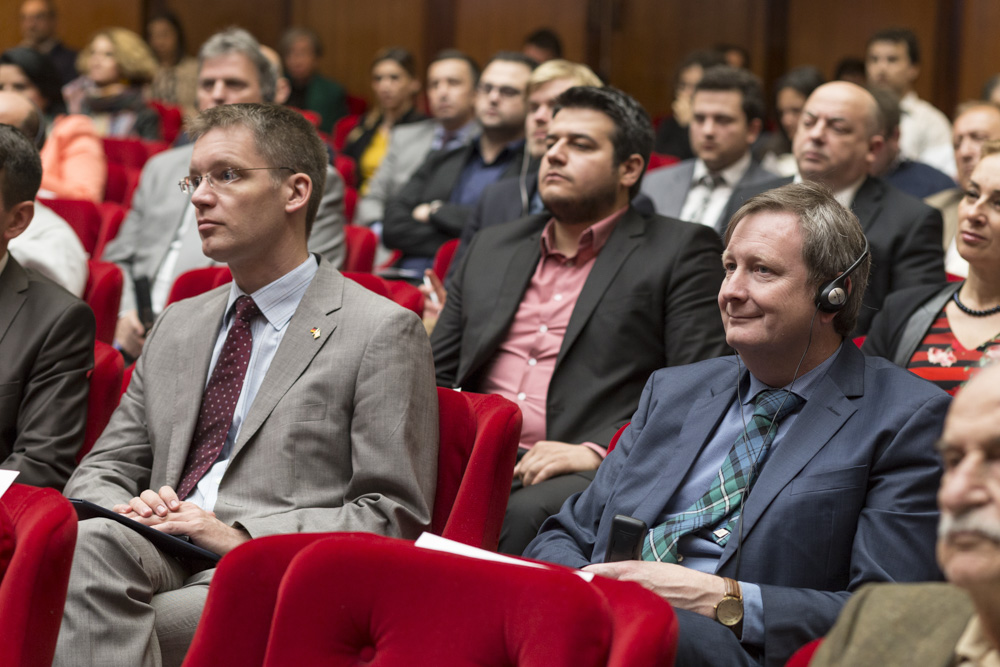
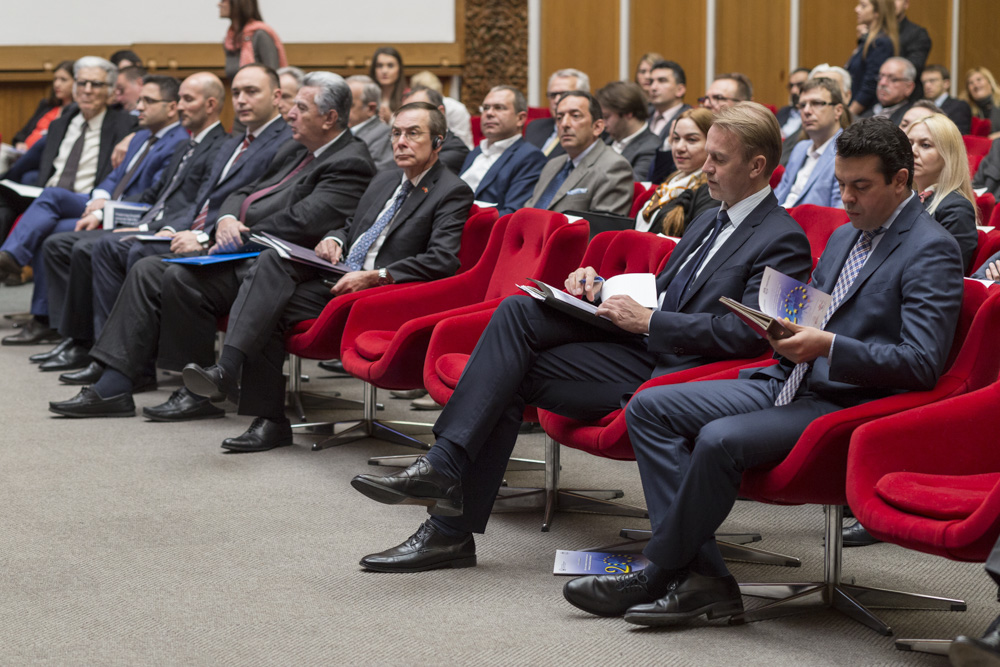
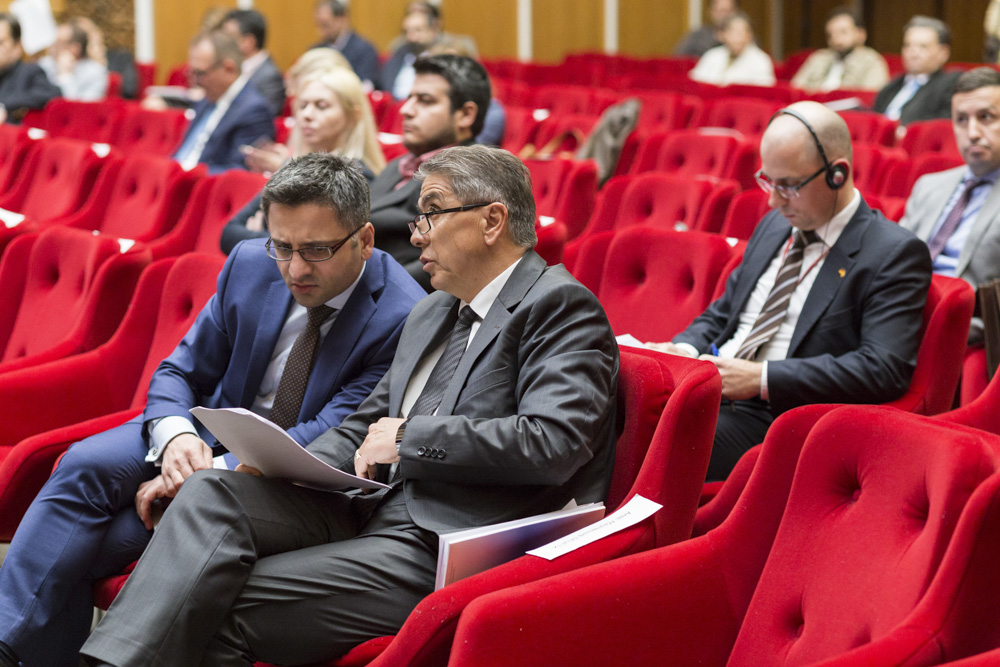
The conference attracted considerable interest among the scientific and professional public of the Republic of Macedonia and received excellent media coverage.