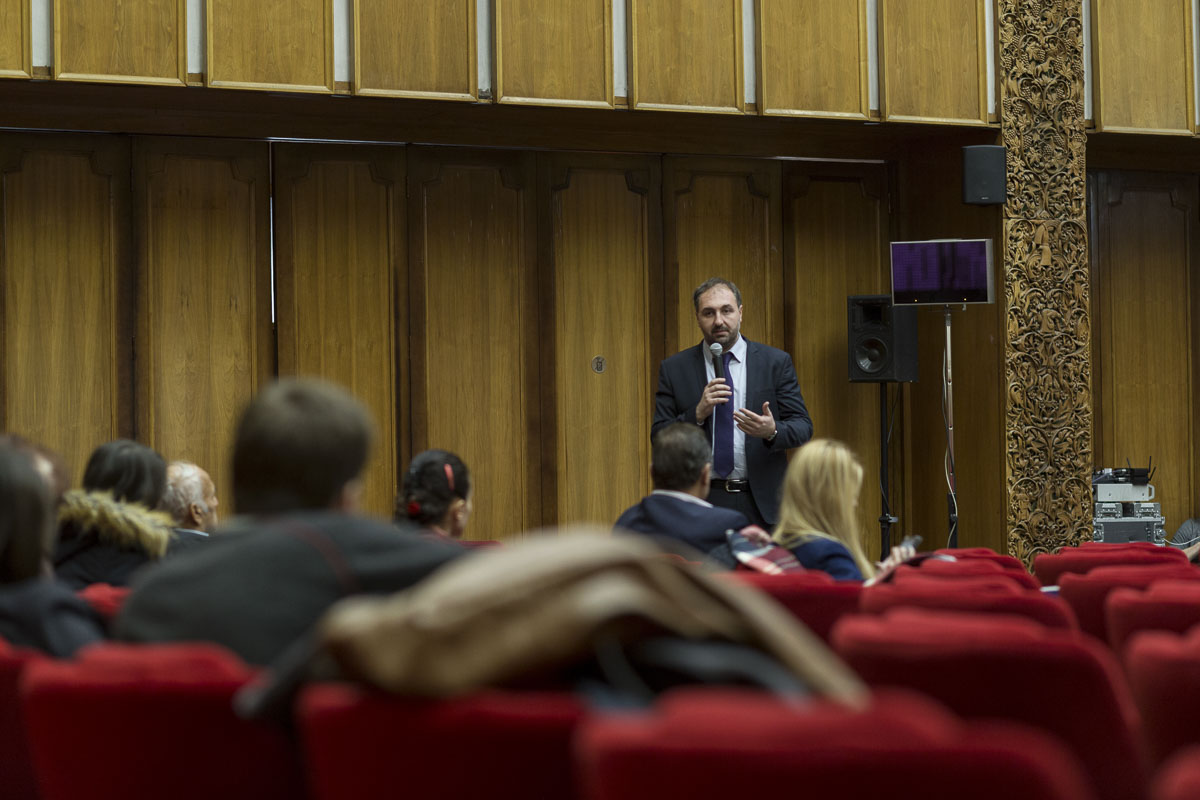
International Scientific Conference: DIALOGUE AMONG CIVILIZATIONS AND THE CHALLENGES OF TOLERANCE IN THE DIGITAL AGE
Since 2012, the Centre for Strategic Research at the Macedonian Academy of Sciences and Arts (MASA), in coordination with the OSCE Mission to Skopje, has organized annual conferences marking the International Day for Tolerance—16 November—on topics related to tolerance in a broad sense, with particular focus on the institutional response to hate crime and hate speech, addressing stereotypes, and interreligious dialogue. These conferences have proved useful in spreading the message of tolerance while also contributing to the establishment of high-level dialogue in the country regarding mechanisms for dealing with hate crime, hate speech and discrimination. Speakers have included representatives of the European Academy of Sciences and Arts, ODIHR, the Academy for Judges and Public Prosecutors, state institutions, experts in the field of anti-discrimination, and other distinguished representatives of the academic community.
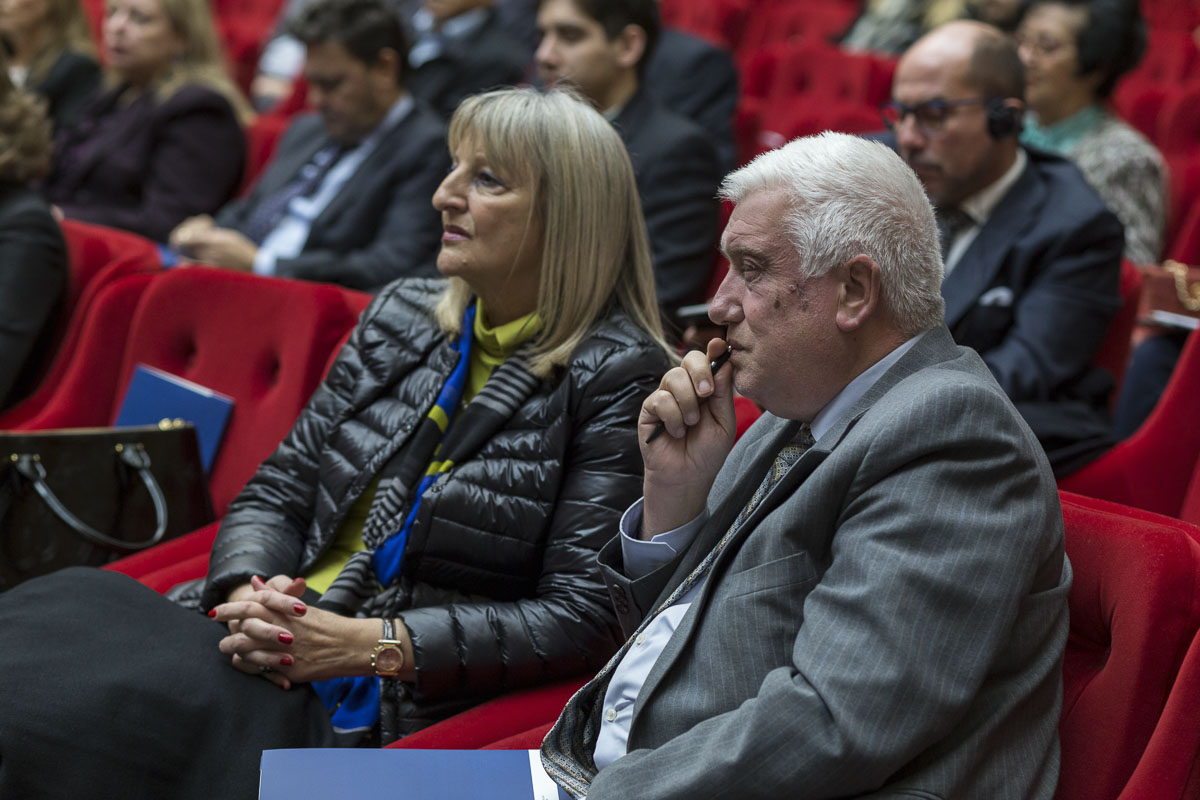
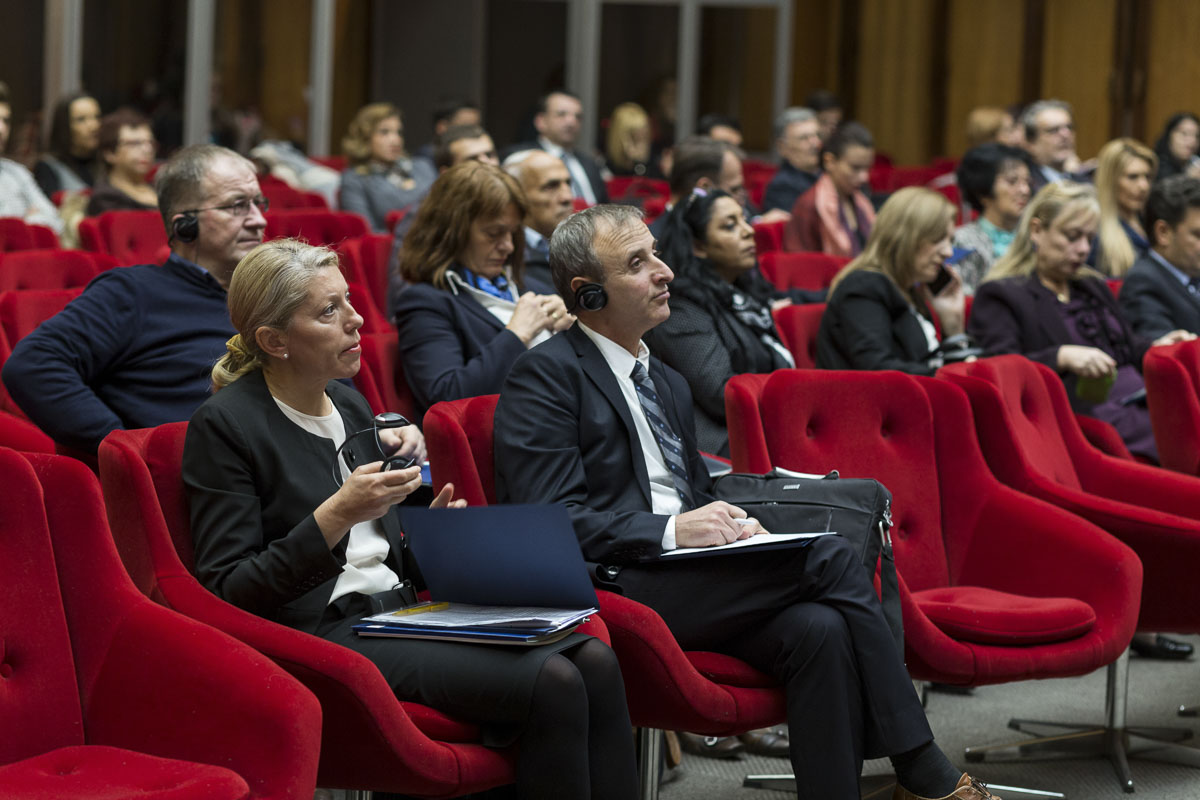
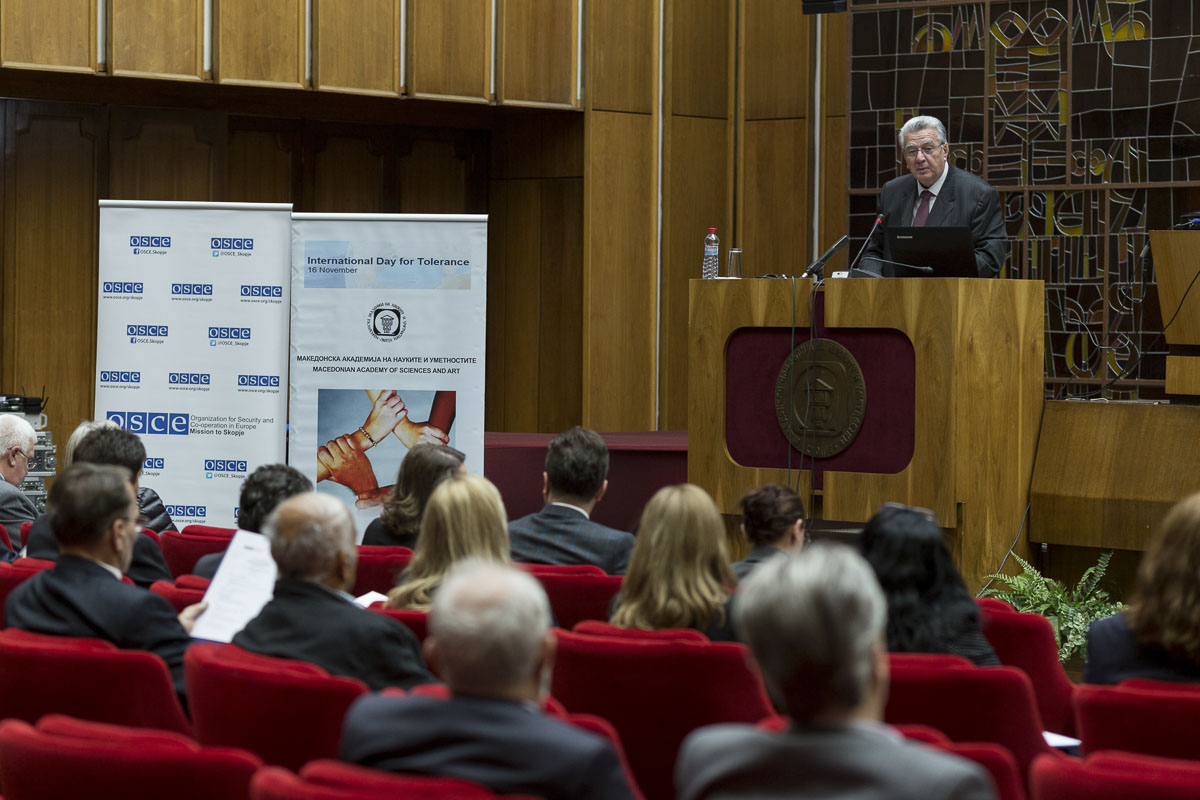
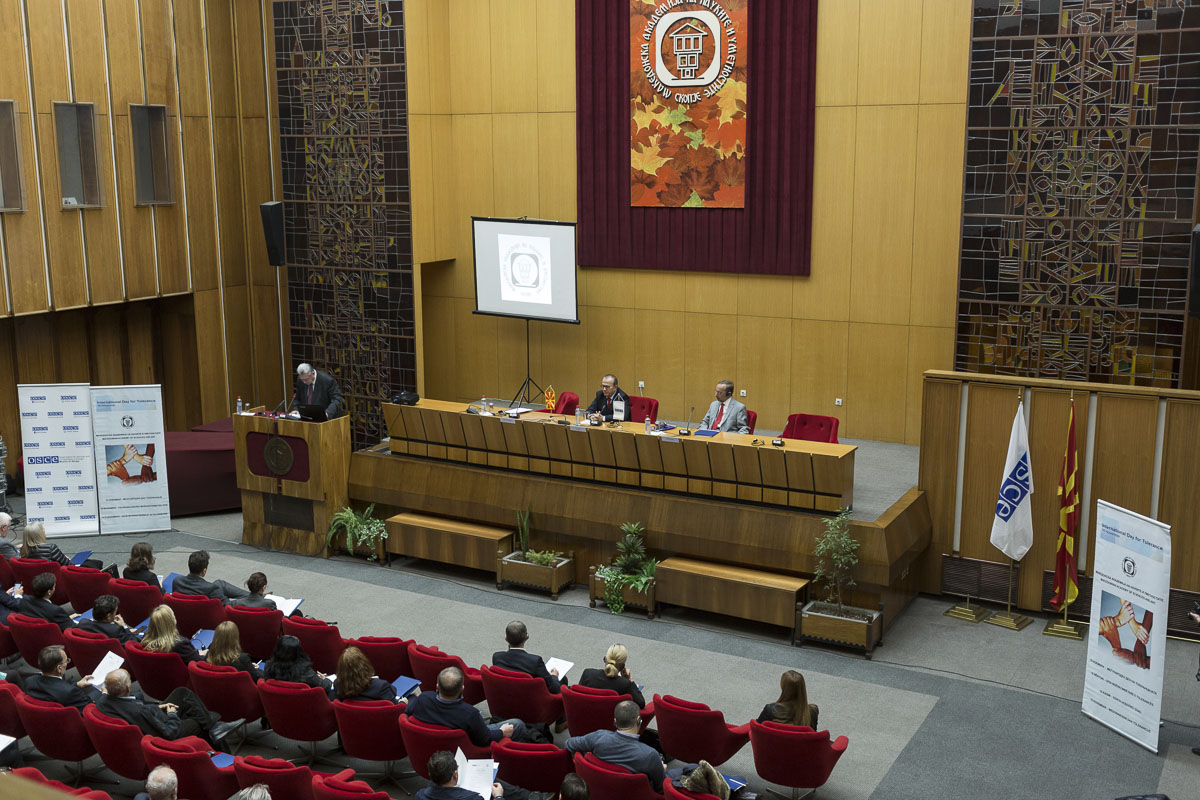
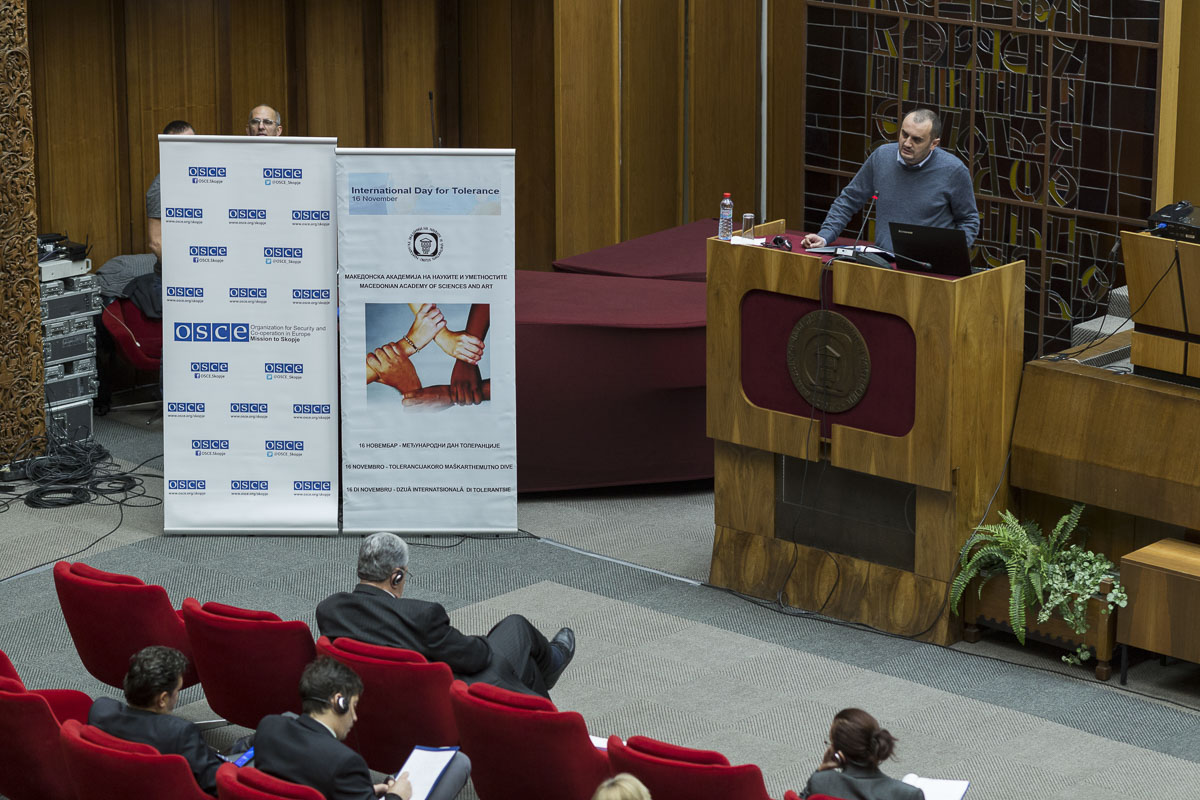
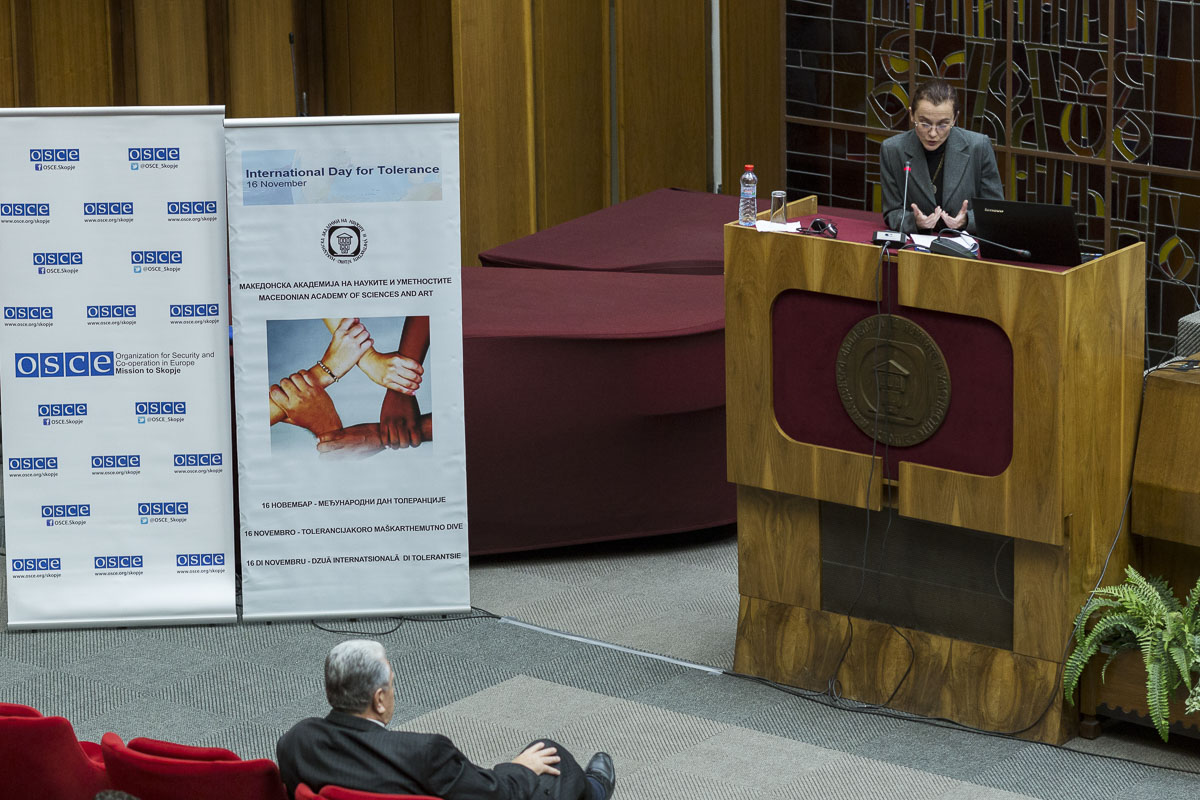
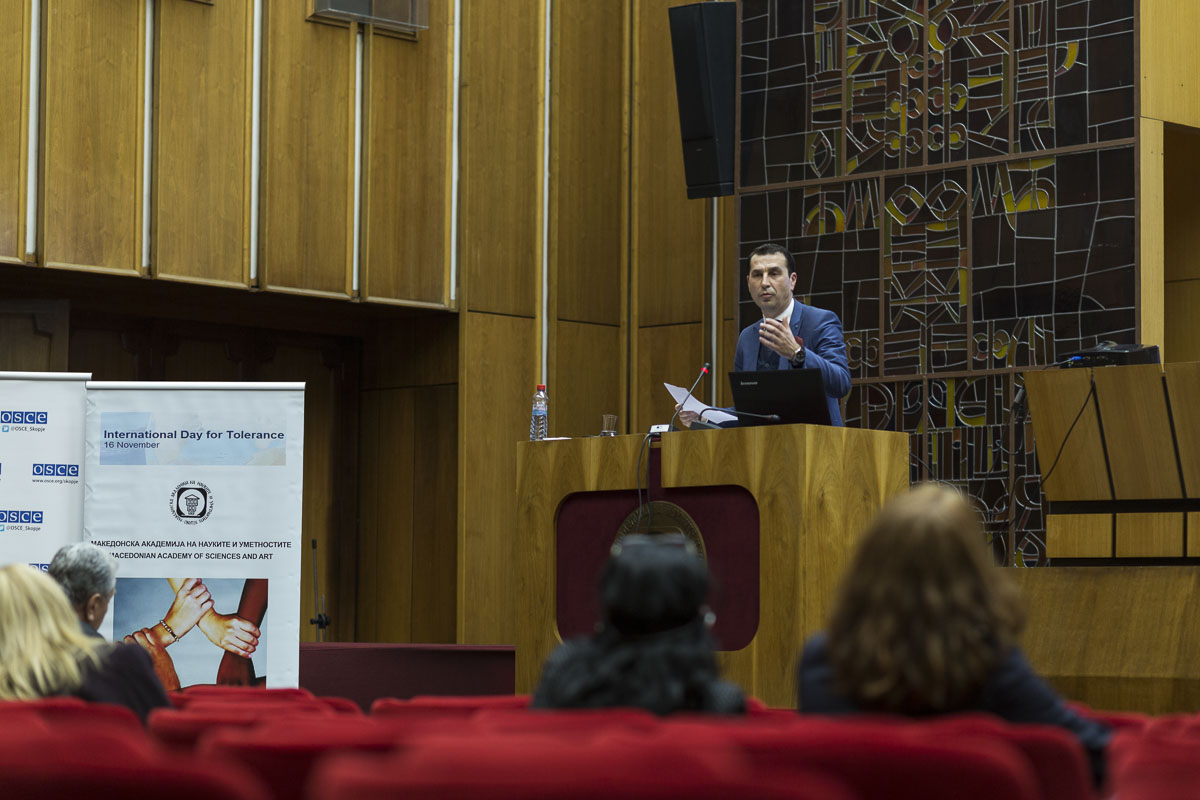
The International Day for Tolerance, traditionally marked at MASA, was also observed this year on 16 November 2016 with an international conference on the topic: „Dialogue among Civilizations and the Challenges of Tolerance in the Digital Age” in three languages: Macedonian, Albanian and English.
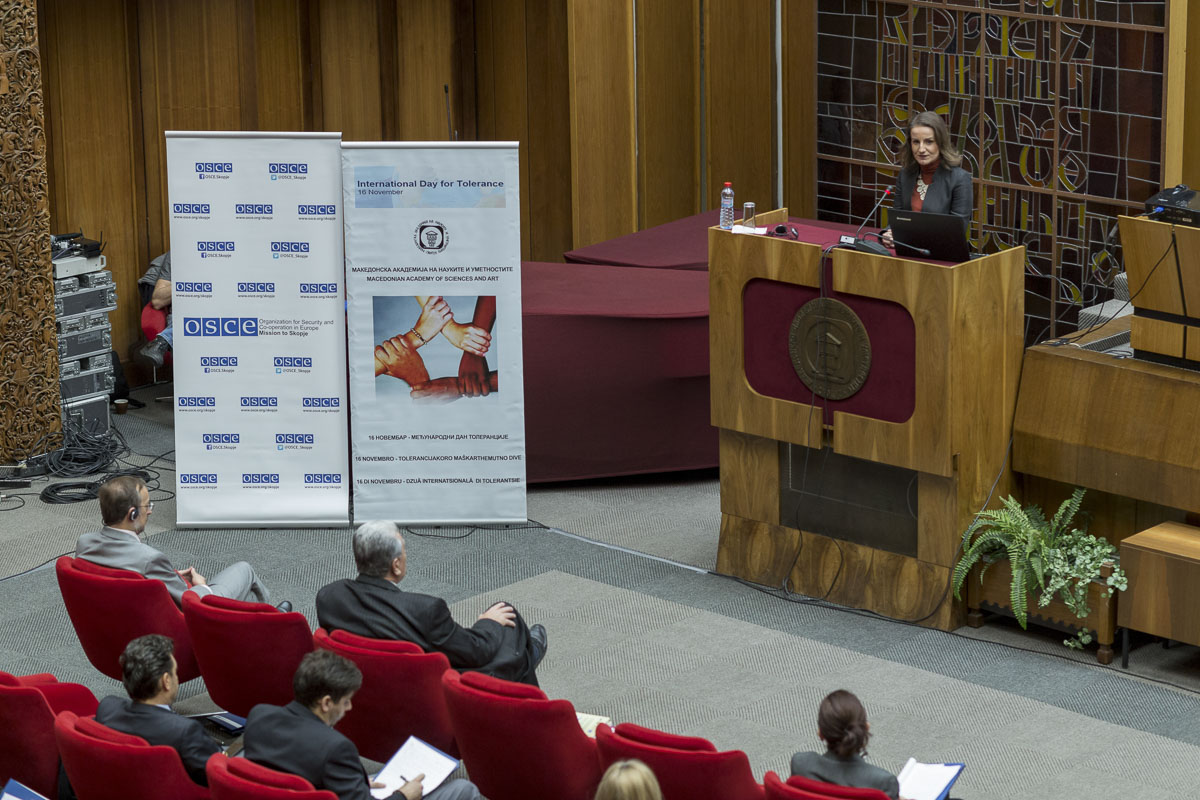
Traditionally, the conference was opened with a welcoming address by the President of MASA, Academician Taki Fiti, followed by a welcoming address from the Deputy Head of the OSCE Mission to Skopje, Mr. Jeffrey Goldstein. The Head of the Centre for Strategic Research, as organizer of the event, Academician Vlado Kambovski, also delivered a welcoming address, after which the first working session was announced.
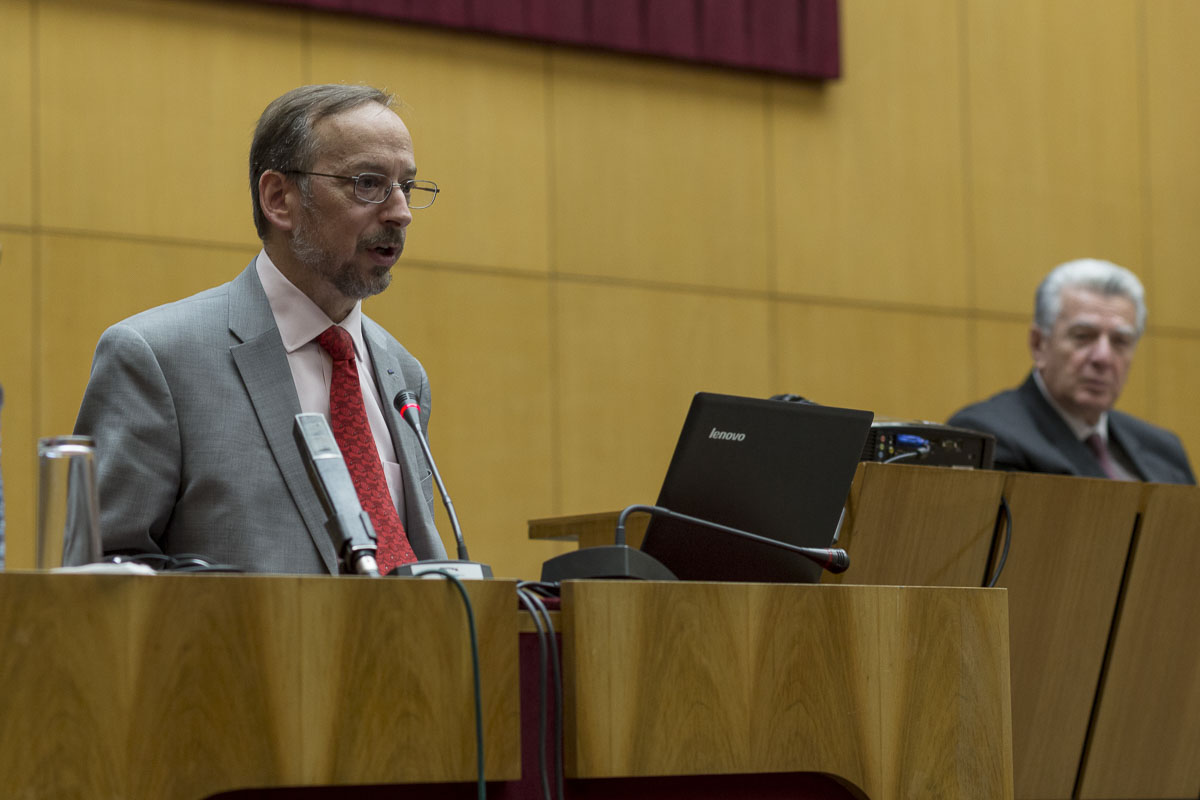
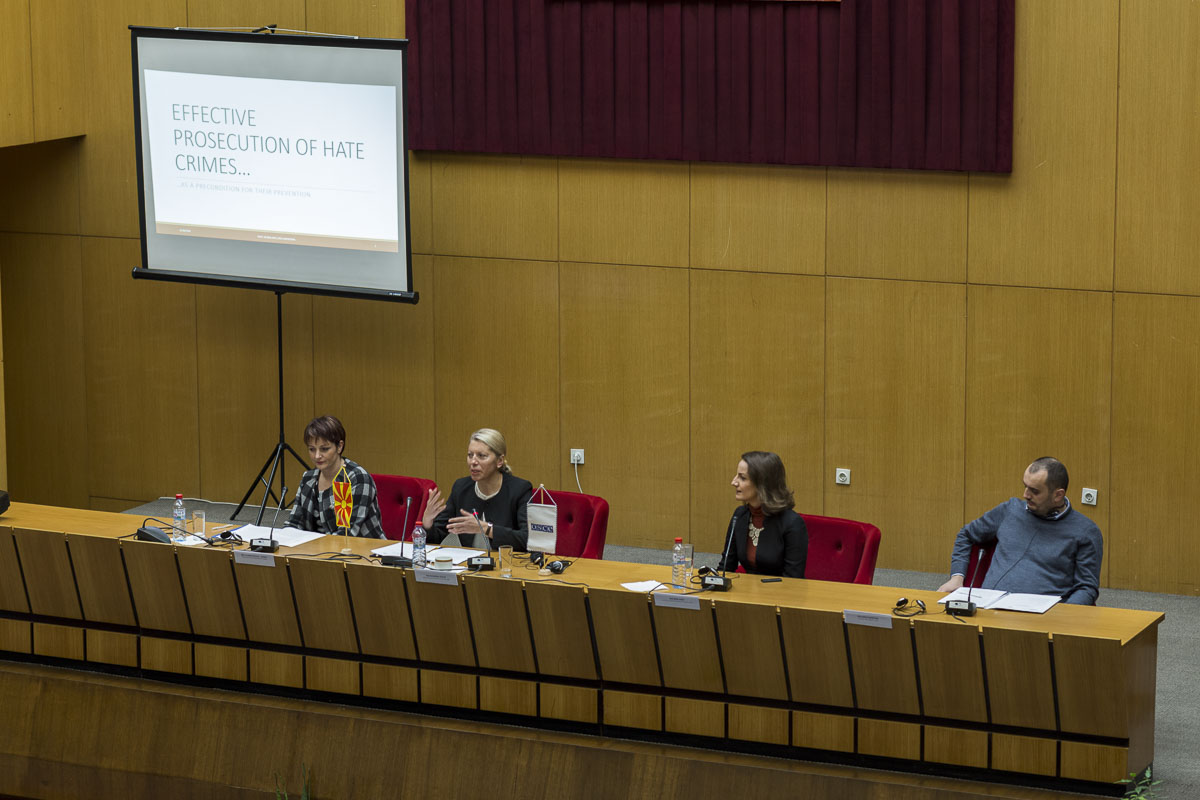
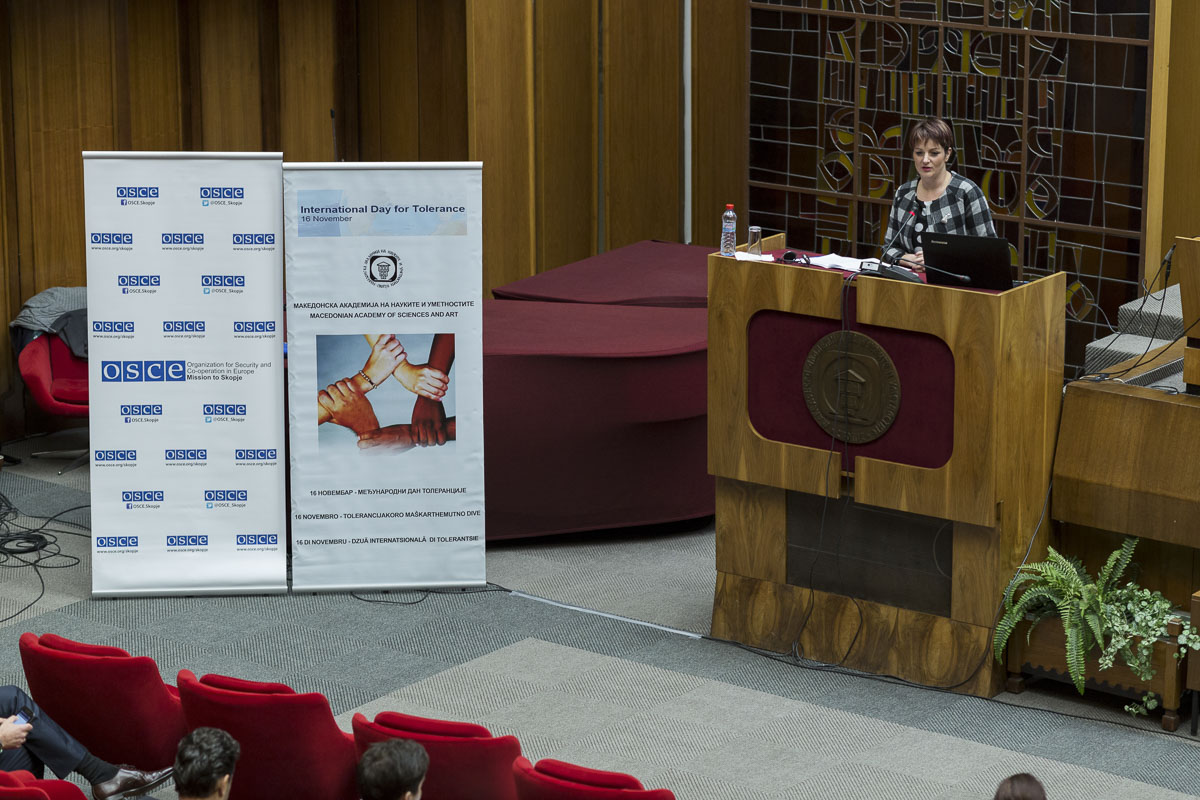
The keynote speaker and moderator of the first working session was Dr. Rumiana Zheleva of the Institute for the Study of Societies and Knowledge at the Bulgarian Academy of Sciences, Sofia (ISK – BAS), who presented on the topic: Language, Dialogue, Tolerance: Contemporary Challenges and Perspectives. This was followed by presentations by Dr. Besa Arifi of the Faculty of Law at South East European University, Tetovo, on the topic: Effective Prosecution of Hate Crime as a Prerequisite for Its Prevention, MA Liljana Pecova-Ilieska of the Directorate for Personal Data Protection, Skopje, on the topic: (Self-)Regulatory Models for Responsible Publication of Online Comments vis-à-vis the Delfi v. Estonia Case and Dr. Ervis Martani of Marin Barleti University, Tirana, on the topic: Intercultural Dialogue, Education and Policies as Tools for Addressing Intolerance.
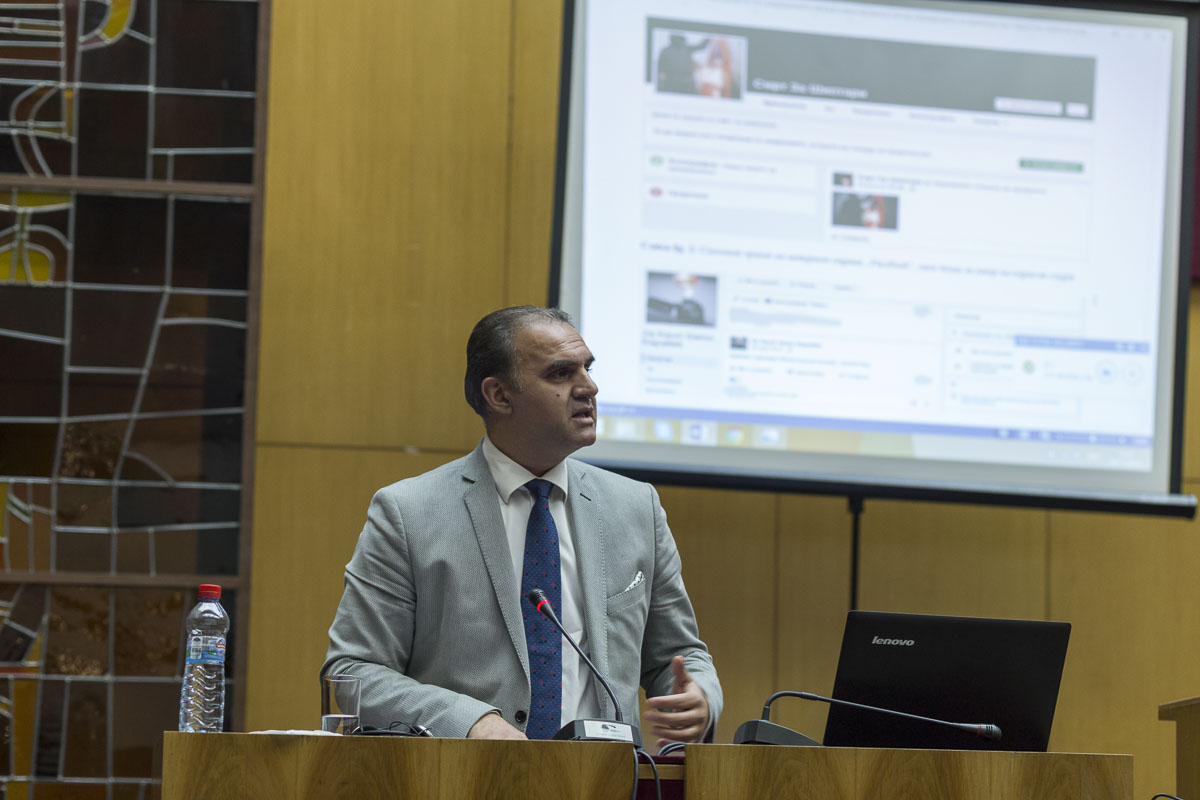
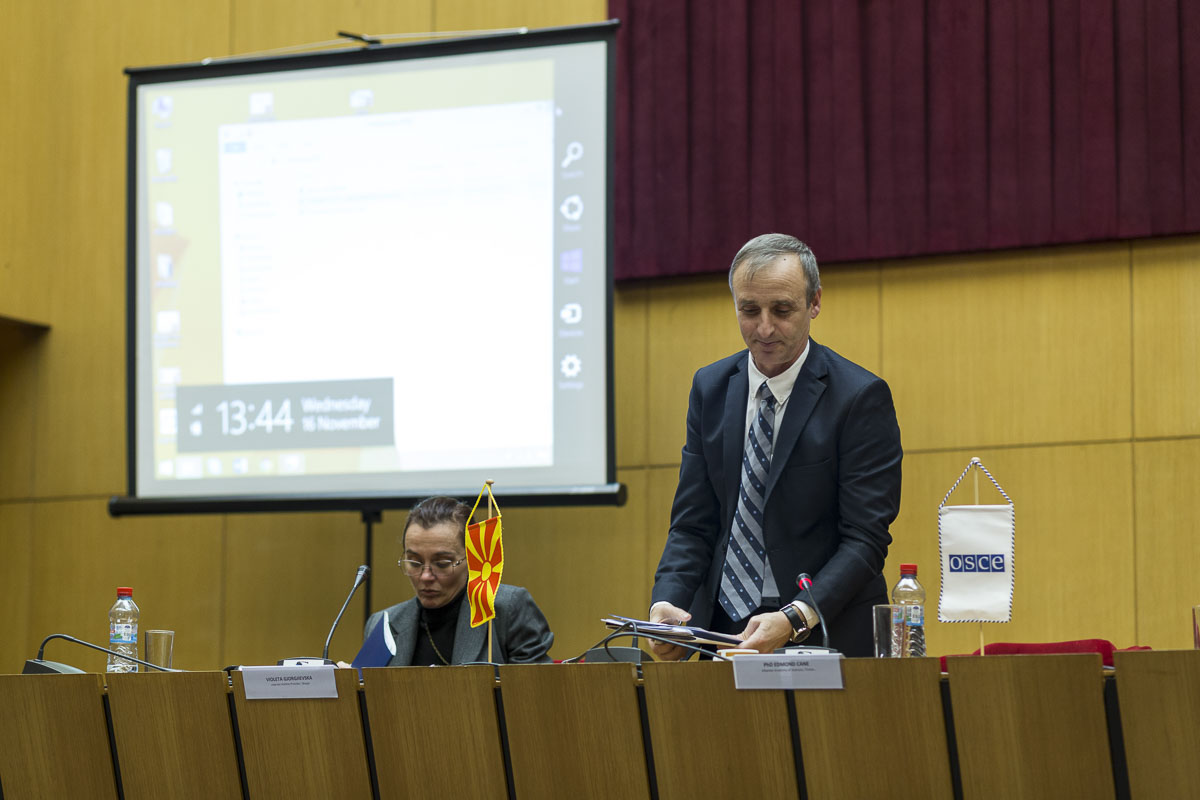
These presentations concluded the first working session. After a short break, the participants continued with the second working session, whose keynote speaker and moderator was Dr. Edmond Cane of the Albanian Academy of Sciences, Tirana, with a presentation on the topic: Connectivity, western Balkans and the ratcheting issue after which he introduced the next speakers: Violeta Gjorgjievska of the Internet Hotline Provider, Skopje, with a presentation on the topic: Think Globally, Act Locally – A Macedonian Perspective and a joint paper by Dr. Lazar Nanev of the Faculty of Law, Goce Delchev University, Štip, and Dr. Ivan Anastasovski of the Faculty of Physical Education, Sport and Health at Ss. Cyril and Methodius University in Skopje, on the topic: The Internet and Social Networks as a Tool for Supporters to Spread Hate Speech and Discrimination in Sport.
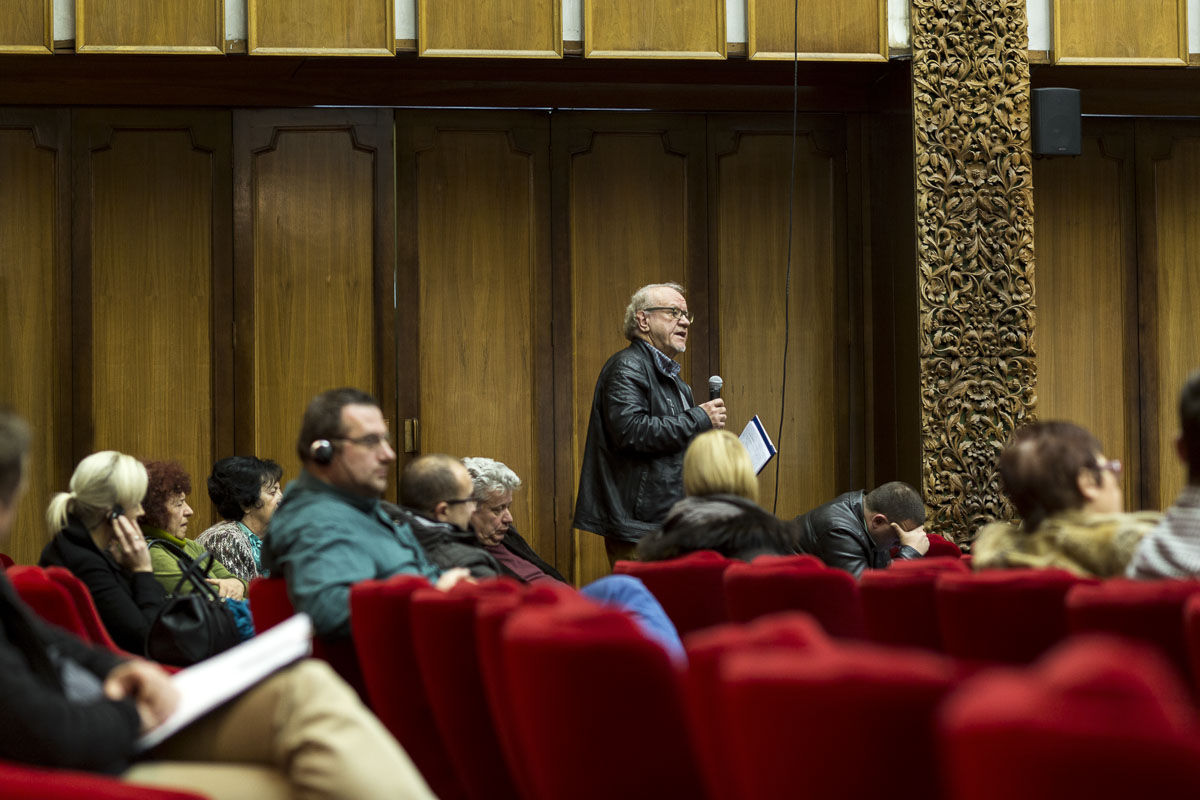
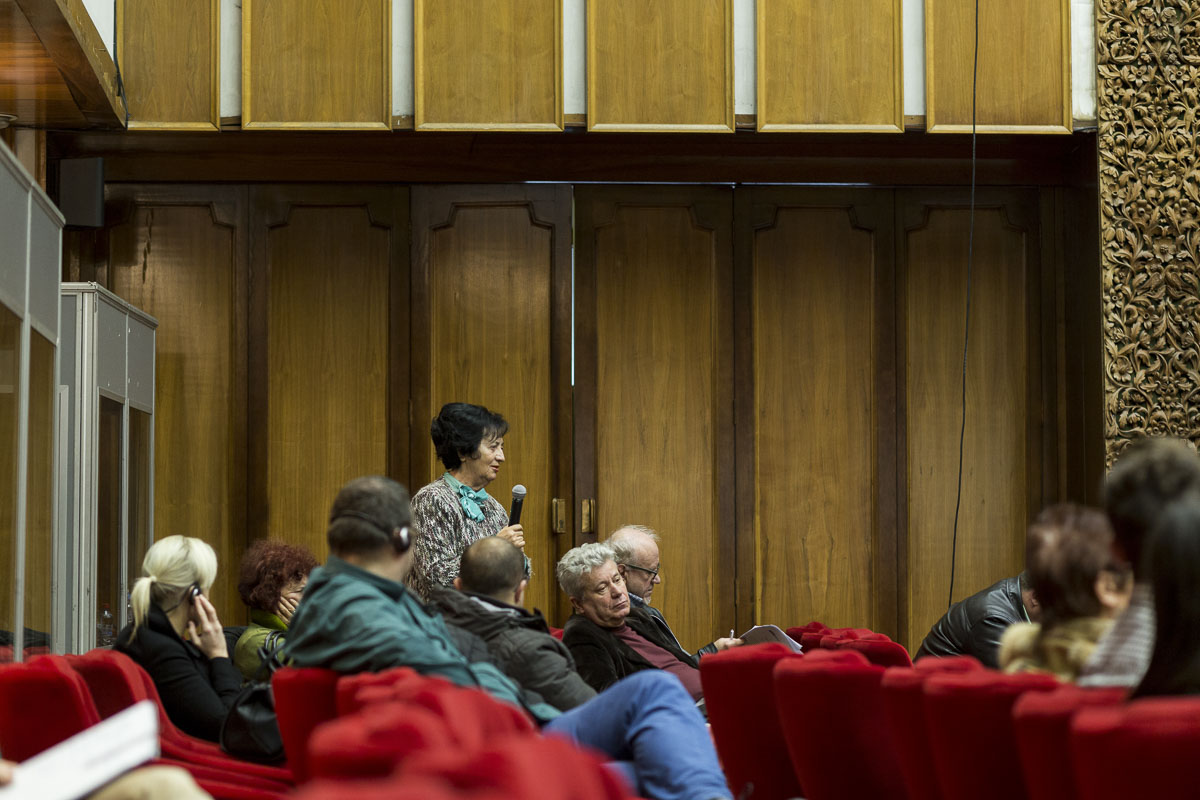
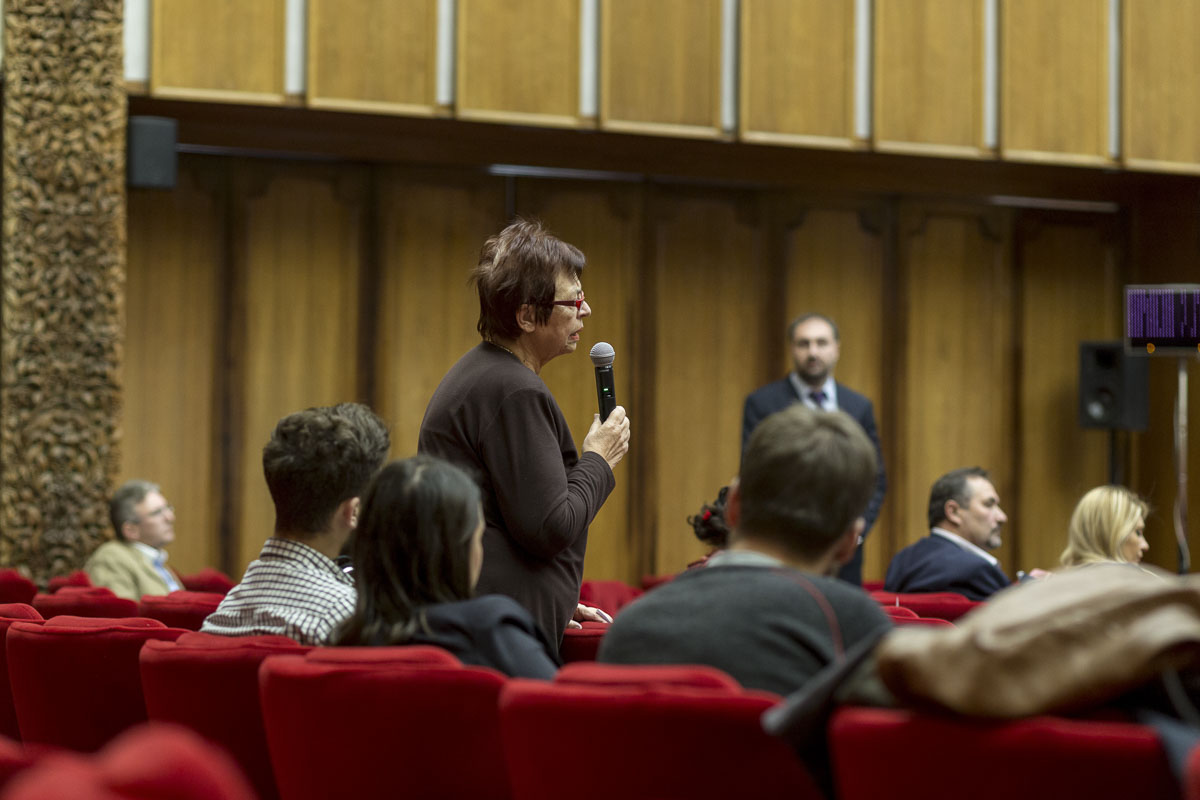
Following the extensive presentations by the keynote speakers and presenters at the international conference, the other participants were invited to take part in a discussion of the open issues raised at the conference, after which a discussion developed.
At the end, Academician Vlado Kambovski presented the concluding observations, bringing the international conference to a successful close.
This year, for the first time, a call for papers was published, and the submitted papers were presented at the conference. Authors were asked to address how twenty-first-century technology is changing the way we think and feel and its impact on the Balkan region, as well as the structural and institutional issues underlying the vulnerability of the Western Balkans—problems arising from our past and their connection with present-day challenges.
The following members were proposed for the editorial board:
- Academician Vlado Kambovski, Head of the Centre for Strategic Research, MASA
- Rumiana Jeleva, Institute for the Study of Societies and Knowledge (ISSK) at the Bulgarian Academy of Science.
- Edmond Cane, Specialist for Scientific Communication and Public & Foreign Relations, at the Albanian Academy of Sciences
- Tome Shekerdzhiev, National Rule of Law Officer
OSCE – Mission to Skopje - Elena Mujoska Trpevska, Centre for Strategic Research, MASA.
The publication from the international conference on the topic „Dialogue among Civilizations and the Challenges of Tolerance in the Digital Age” in three languages (Macedonian, Albanian and English), will be published during 2017.